Prompting and context
Specify behavior, boundaries, and useful inputs.
Trusted by









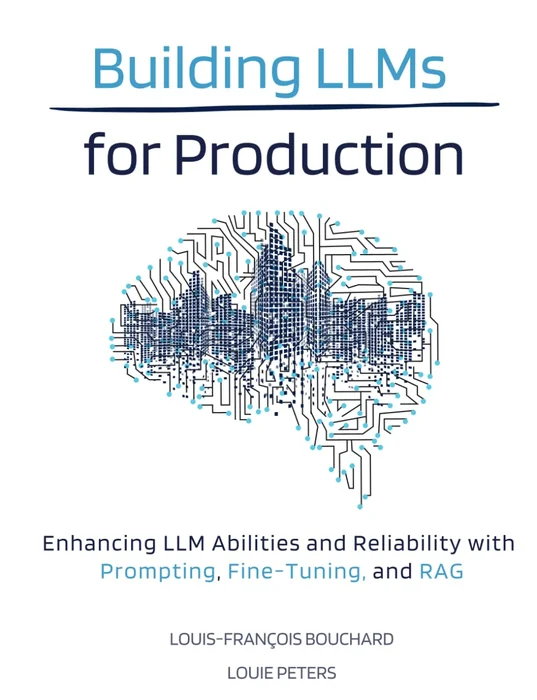
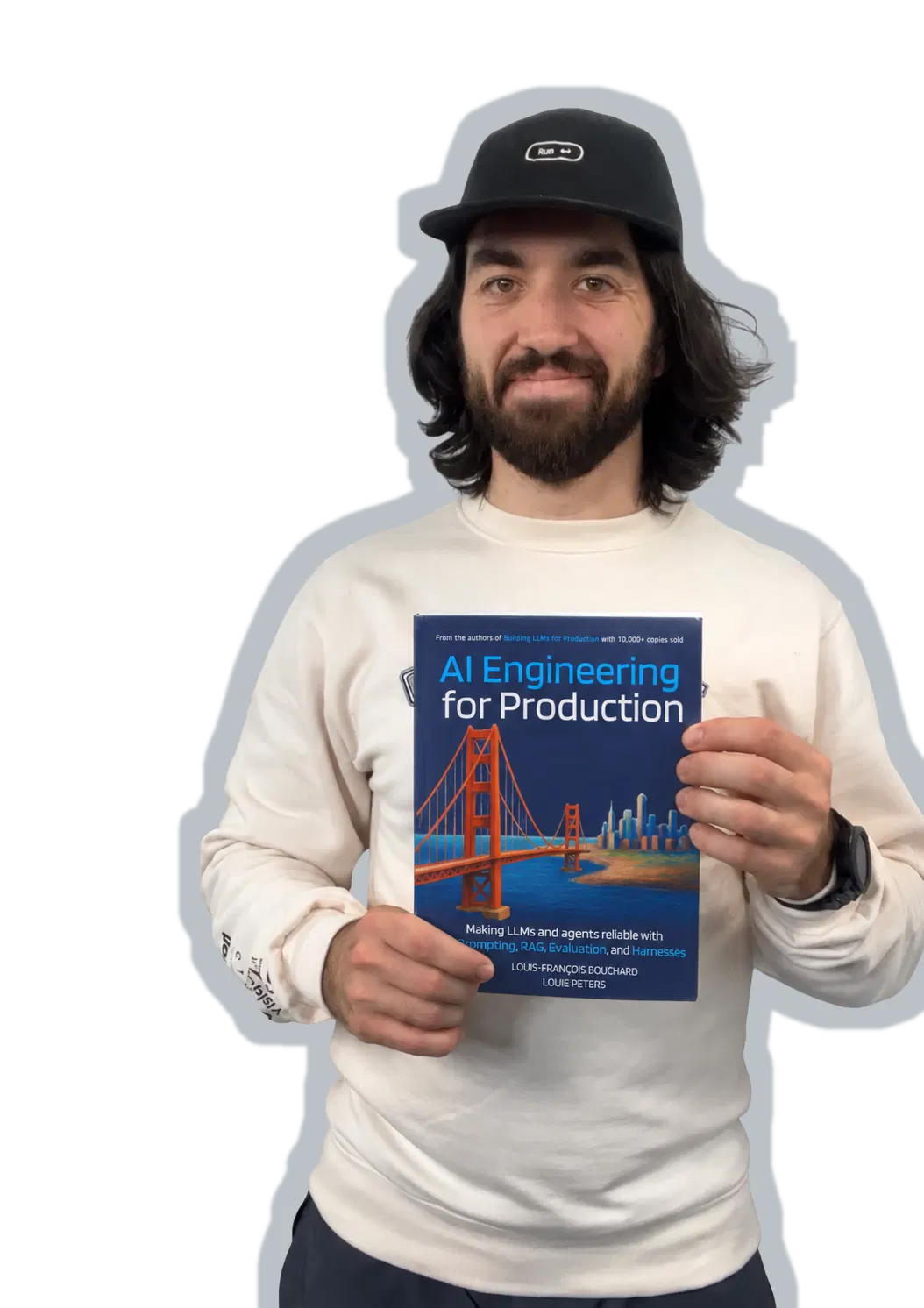
Building LLMs for Production got readers to their first working LLM application. This one carries that foundation forward and builds on it: harnesses, deployment, evaluation, monitoring.
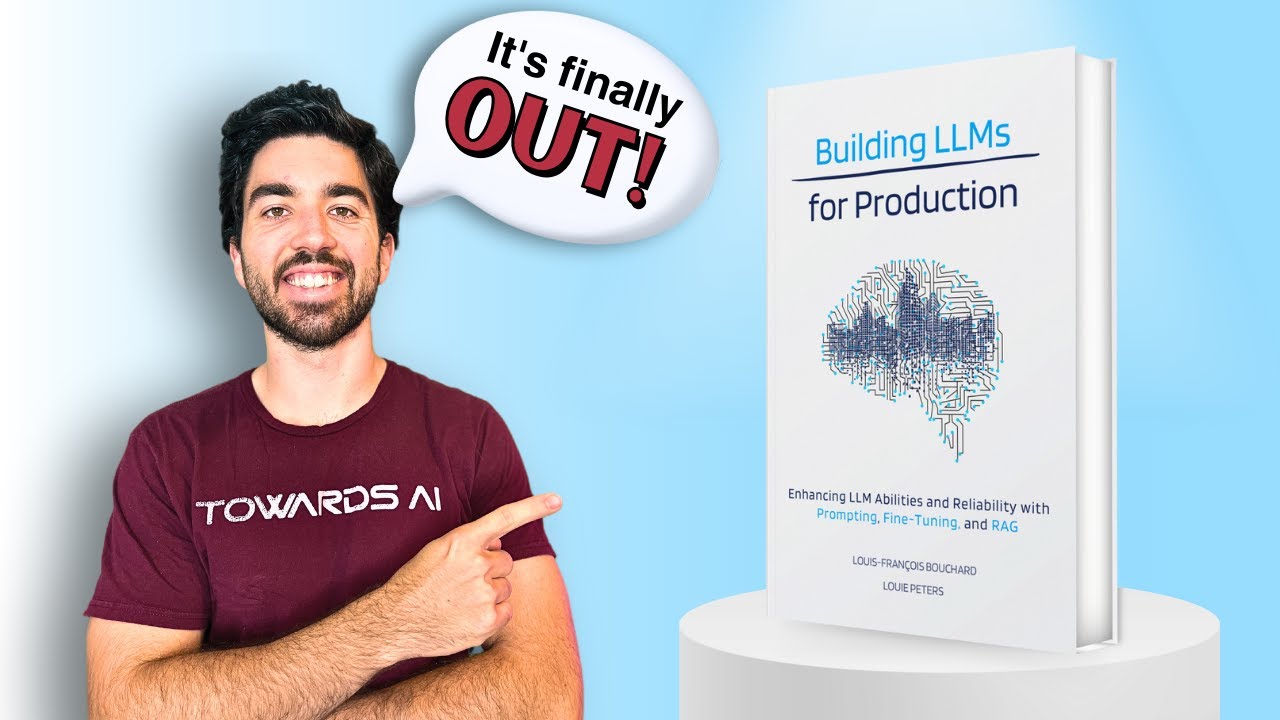
Building LLMs for Production, by Louis-François Bouchard and Louie PetersIndustry reviews
What leaders at LlamaIndex, Meta, Mila, and Weights & Biases said about our first book, Building LLMs for Production.
“The most comprehensive textbook to date on building LLM applications; every essential topic in an AI engineer's toolkit.”
“This book is filled with end-to-end explanations, examples, and comprehensive details. Louis and the Towards AI team have written an essential read for developers who want to expand their AI expertise and apply it to real-world challenges, making it a valuable addition to both personal and professional libraries.”
“An indispensable guide for anyone venturing into the world of LLMs, covering everything from theory to practical deployment.”
“Invaluable to anyone looking to dive into the field quickly and efficiently.”
A preview of the ideas covered
Specify behavior, boundaries, and useful inputs.
Ground decisions in relevant evidence.
Coordinate tools, state, and approvals.
Measure behavior and inspect failures.
Control retries, fallbacks, and improvement.
From the back cover
LLMs have not simply made software more capable. They are changing what we ask software to do, moving the hardest engineering problems beyond the model itself.
AI Engineering for Production brings prompting, context, retrieval, agents, evaluation, guardrails, harnesses, fine-tuning, and deployment together to show how decisions at one layer constrain another, how failure modes compound as capability grows, and which engineering principles endure as models, frameworks, and infrastructure evolve.
What changes for you
Not a tour of one framework. The book focuses on the decisions and failure modes that outlive whichever one you are using.
Traces and failure categories turn a bad answer into a specific thing you can fix.
Representative cases and graders that tell you whether last week's change actually helped.
Permissions, checkpoints, and human approval placed where being wrong costs the most.
Ingestion, reranking, and provenance built around what the system actually needs to know.
Monitoring and operating patterns so the people who did not build it can still run it.
Who we wrote it for
Some coding background helps, but you don't need to be a researcher or a senior engineer. The book takes you through the full AI engineering stack from the beginning.
You've used model APIs or a framework, and now you want the engineering underneath them.
Retrieval that misses, outputs that drift, tools that misfire, and no clear way to tell why.
Evaluation, monitoring, and operating patterns a team can run after launch.
Why we wrote this book
The funny thing about writing a technical book is that the industry sometimes changes faster than the book does.
When we published Building LLMs for Production in 2024, the problems people were solving looked very different. Two years later we went back to ask what needed updating.
Almost the entire conversation had moved. Not just better models. New tooling, new architectures, new failure modes, new ways of evaluating and deploying these systems.
So we didn't write a second edition. We wrote a new book.


The people behind the pages
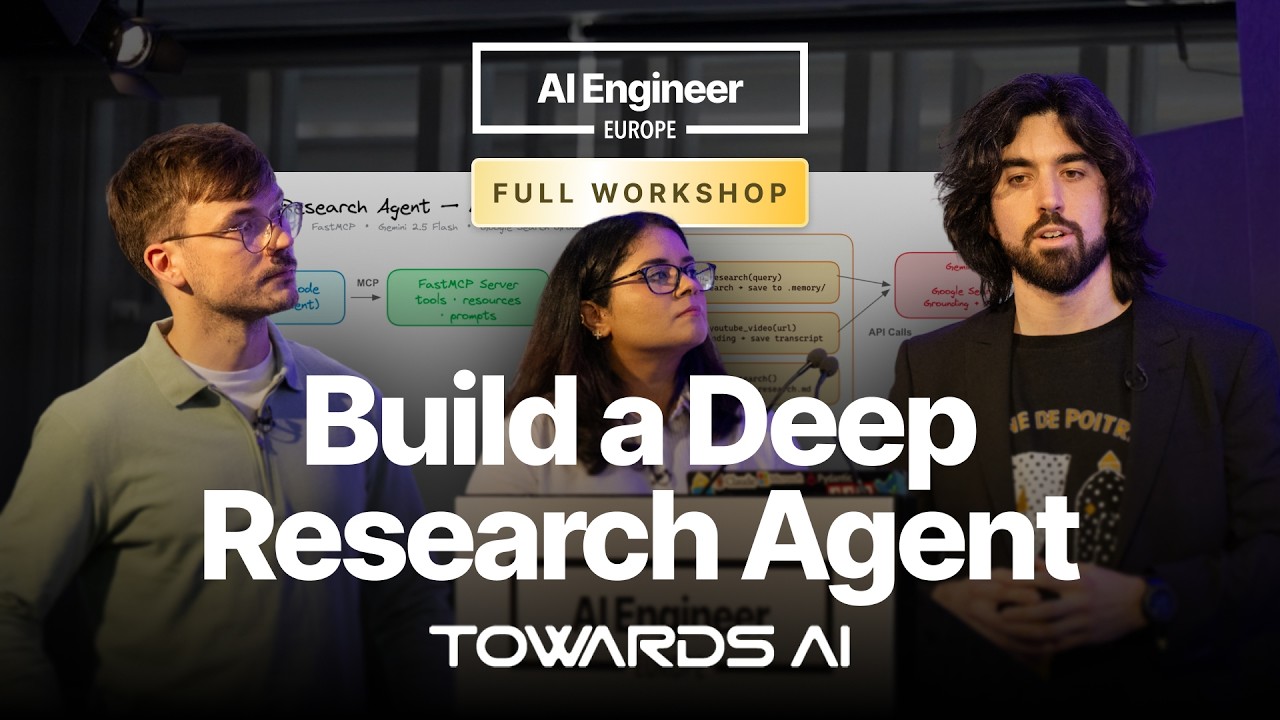
We're Louis and Louie, co-founders of Towards AI, where we build AI systems for companies and teach engineers how to do the same. This book brings those two sides of our work together.

01 Research → real products
From 2020 to 2022, I was Head of AI at a startup while doing my master's in computer vision. Its founder had found me through my YouTube explanations of AI research. Building for real users taught me another side of AI: the code, deployments, and decisions a research paper doesn't cover.
I then began PhD research at Mila, before leaving to focus on building and teaching at Towards AI. Today, I also teach with O'Reilly. That gap between understanding AI and making it useful is what I write about.
02 Technical decisions → useful outcomes
My background is in physics and investment research at J.P. Morgan. I moved into AI because I wanted to help turn its potential into something people could use.
At Towards AI, I work on AI system design, strategy, and adoption, and write our weekly newsletter for 200,000+ readers. I bring the questions that follow the demo: is it reliable, does it solve the right problem, and will people use it?
03 Build. Teach. Write. Repeat.
We published Building LLMs for Production together in 2024. Since then, building systems for more companies and improving our courses has sharpened how we evaluate, deploy, and monitor AI in practice.
Those lessons shape AI Engineering For Production. We focus on foundations you can use as models and tools change, with code examples you can edit, test, and build on. Our goal is for you to understand the decisions well enough to build something of your own.
We'd love to help you build yours.
Louis & Louie
Join us on launch day
Louis-François walks through his own AI engineering setup, and how to improve yours before you start.
What we covered, why we structured it this way, and where we'd tell you to start.
Time with Louis-François, Louie, and the Towards AI team.
The full running order is still being finalised. Register and we'll send it as soon as it's set.
Join us on November 10
We'll send confirmed session times, access details, and occasional book updates. Nothing else.
Choose whether Google Analytics can use cookies. The site always keeps anonymous, cookieless page counts. Privacy details