
The short version
AI-generated writing starts from a prompt, while AI-edited writing starts from a human draft and uses a tool to revise it. The 2023 interview argues for disclosing that difference because the named writer remains accountable when a model makes mistakes. AI can catch grammar and awkward phrasing, but it should not replace human creativity, nuance, factual responsibility, or the final editorial decision.
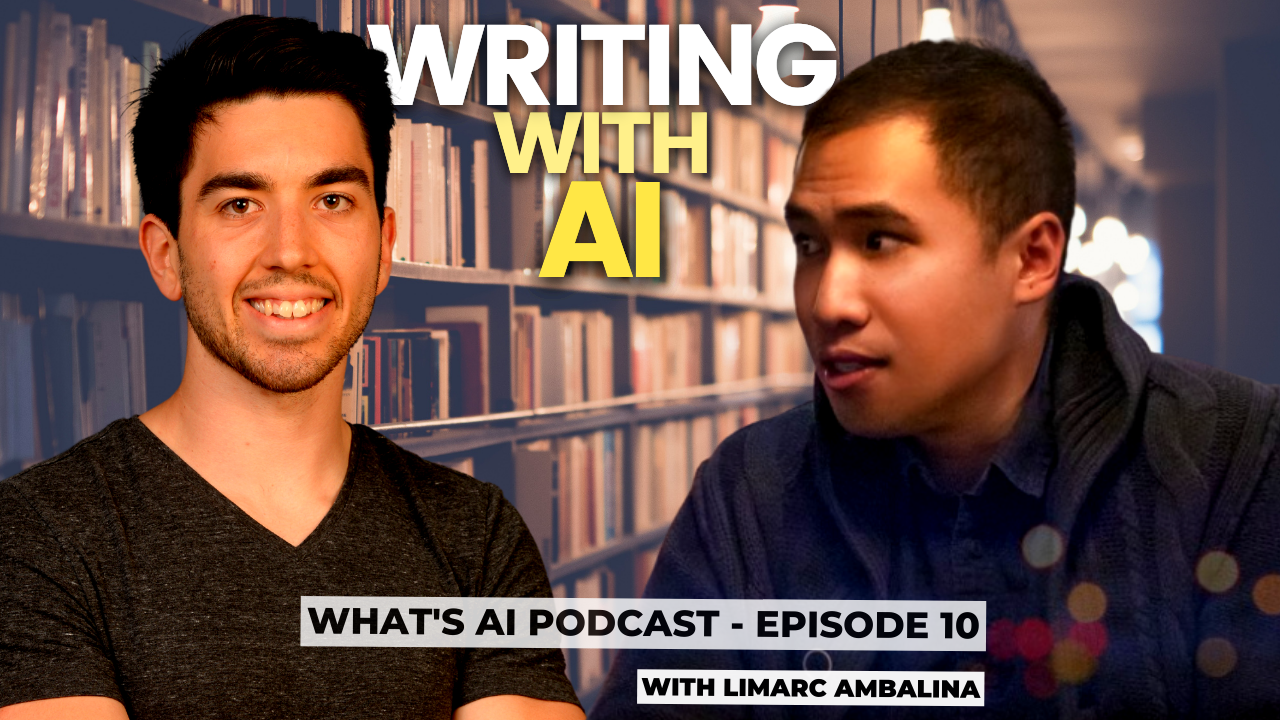
Join us for an engaging podcast episode with Limarc Ambalina, the Vice President of Editing at HackerNoon, as we delve into the impact of AI on writing and journalism. Limarc shares his journey from being a freelancer with a focus on creative writing to his interest in AI and professional writing about it, which eventually led him to HackerNoon.
As VP of editing, Limarc is responsible for overseeing the editorial team and publishing content on a wide range of tech topics, including AI and machine learning. He’s also one of the key decision-makers when it comes to AI-generated and AI-edited content at HackerNoon, making him the perfect person to talk to about the ethics and implications of using AI in writing and journalism.
During the interview, we explore the difference between AI-generated content and AI-edited content, and the importance of transparency in both cases. Limarc defines AI-generated content as any text that is generated by AI without human input other than the prompt, while AI-edited content is a text that is written by someone but edited with the help of AI tools. We discuss how claiming sole credit for AI-generated content is unethical and can lead to trouble if the AI makes mistakes. Therefore, transparency in disclosing how the content was created is crucial.
[
Louis-François Bouchard’s Weekly AI Digest | Substack
](https://louisbouchard.substack.com/)
We also touch on how AI can help writers in editing and proofreading their work, but Limarc stresses that AI is not a substitute for human creativity and nuance. However, he advises using AI tools to improve writing, such as identifying grammatical mistakes and awkward phrasing.
Overall, this podcast episode offers valuable insights into the future of content writing with AI, and the role of humans in creating high-quality content. If you’re interested in learning more, check out the episode (or find it on Spotify, Apple Podcasts).
FAQ
What is the difference between AI-generated and AI-edited writing?
AI-generated text is produced from a prompt, while AI-edited text begins with a human draft and uses a tool to revise parts of it.
Why does transparency matter when AI is used in writing?
Readers and editors need enough context to judge authorship, accountability, and how much of the final argument came from the named writer.
How can AI improve a human-written draft?
It can identify grammar problems, awkward phrasing, and other local issues while leaving the writer responsible for the ideas and final decisions.
What should writers avoid delegating entirely to AI?
They should not delegate factual responsibility, original reporting, source judgment, or the personal insight that makes a piece worth reading.
Why is an editor's perspective useful in this debate?
Editors see how AI-assisted submissions behave at scale and must set practical standards for quality, disclosure, and publication.