The short version
This three-part 2023 interview asks what generative AI work looked like inside D-ID. Or Gorodissky, then VP of R&D, discusses the education needed for industry research, the hiring and interview process, and startup work spanning research, paper implementation, and open-source projects. The page mainly serves as an index to the three videos.
Here’s a recent interview I did with Or Gorodissky, VP of R&D at D-ID. D-ID is a company that uses generative AI to create videos of photorealistic avatars. This interview is divided into three parts to demystify what is “research in generative AI”. More specifically, we cover three main parts; education, the job interview process, and actual job, and the generative AI startup world.
1️⃣ Do you need a Master’s in Generative AI?
This is the first episode of a three-part interview focusing on Or’s education and what he thinks is needed to become an AI research scientist in the industry.
2️⃣ How to find a job in Generative AI, and what is it like?
This part focuses on the job interview process and what’s it like to work in the Generative AI industry…
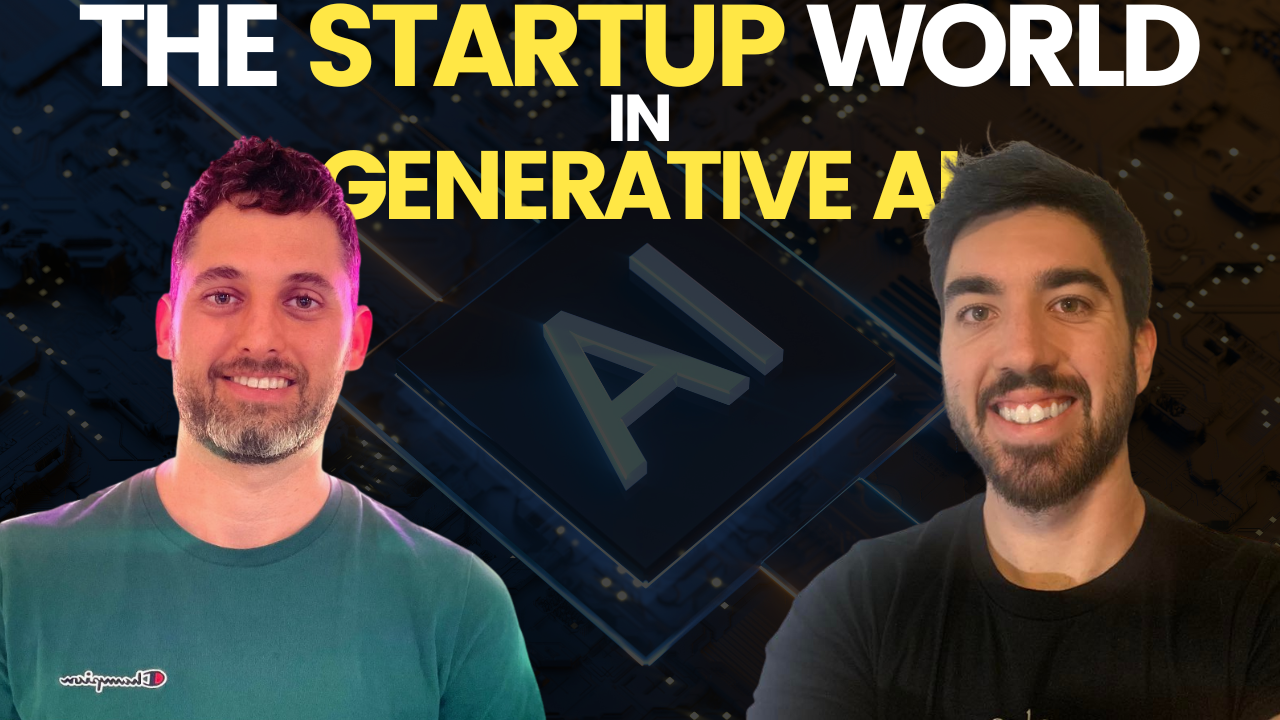
3️⃣ What is it like to work at a startup in Generative AI?
This third and last interview focuses on the startup world in Generative AI and especially doing research, implementing papers, open-source work, and more!
FAQ
Do you need a master's degree to work in generative AI?
Not always. The required education depends on whether the role emphasizes research, product engineering, operations, or applied development.
What does generative AI research look like inside a startup?
It combines experiments with product constraints such as latency, data, reliability, user needs, and release deadlines.
What kind of product does D-ID build?
D-ID uses generative AI to create video featuring photorealistic digital avatars.
How can candidates prepare for a generative AI interview?
Understand model fundamentals and be ready to explain practical projects, tradeoffs, failures, and how you evaluated results.
How is startup AI work different from academic research?
Startup teams must connect research progress to a usable product under tighter time, cost, and customer constraints.