
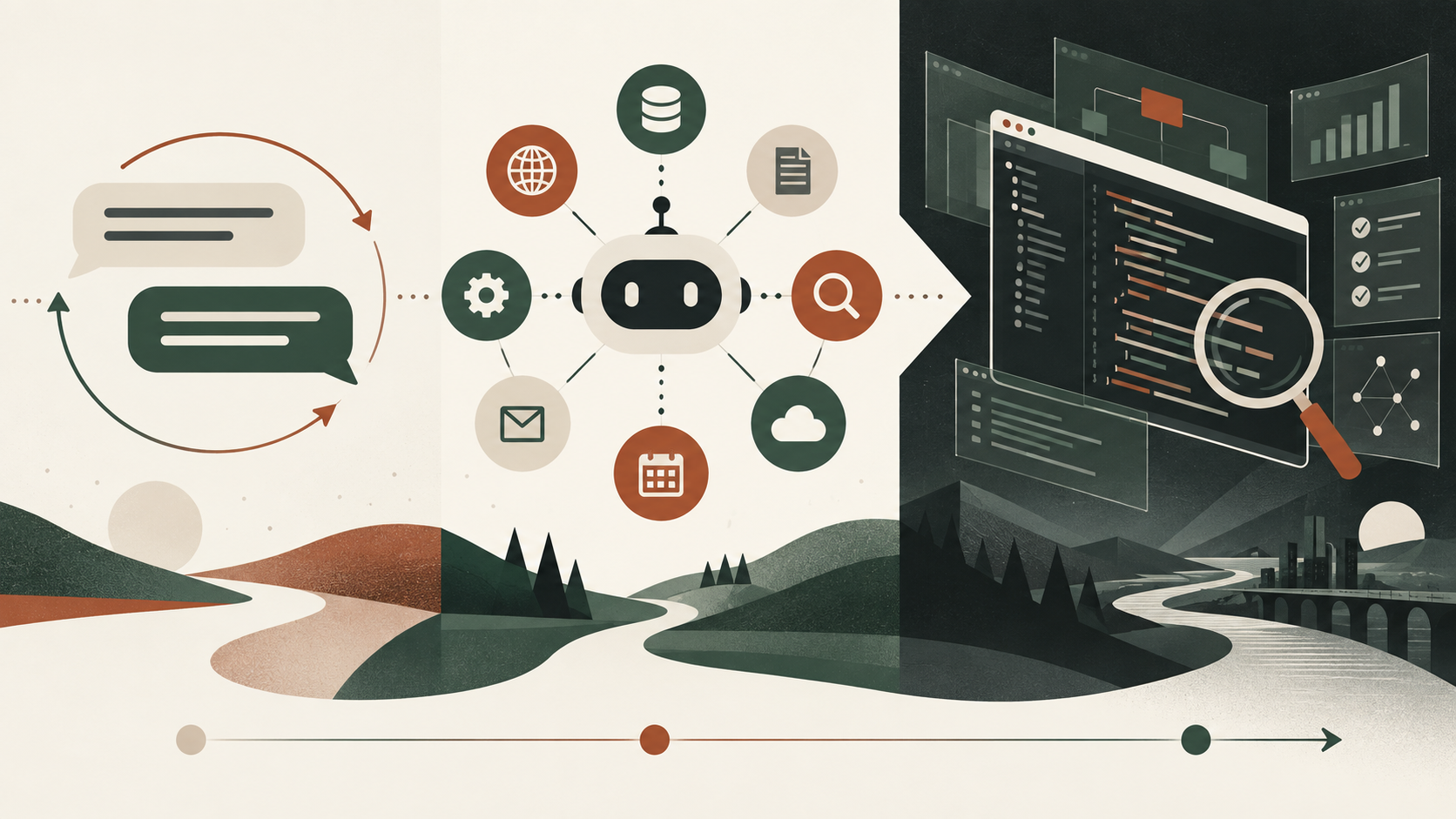
AI Agents9 min read
How AI Agents Evolved: From AutoGPT to Claude Code
The agent loop is familiar. Better models, tools, sandboxes, tests, and review changed what that loop could reliably do.
Topic
LLMs are the substrate behind most modern AI products. This page groups the articles that explain how they work, where they fail, and how builders should think about using them.
The agent loop is familiar. Better models, tools, sandboxes, tests, and review changed what that loop could reliably do.
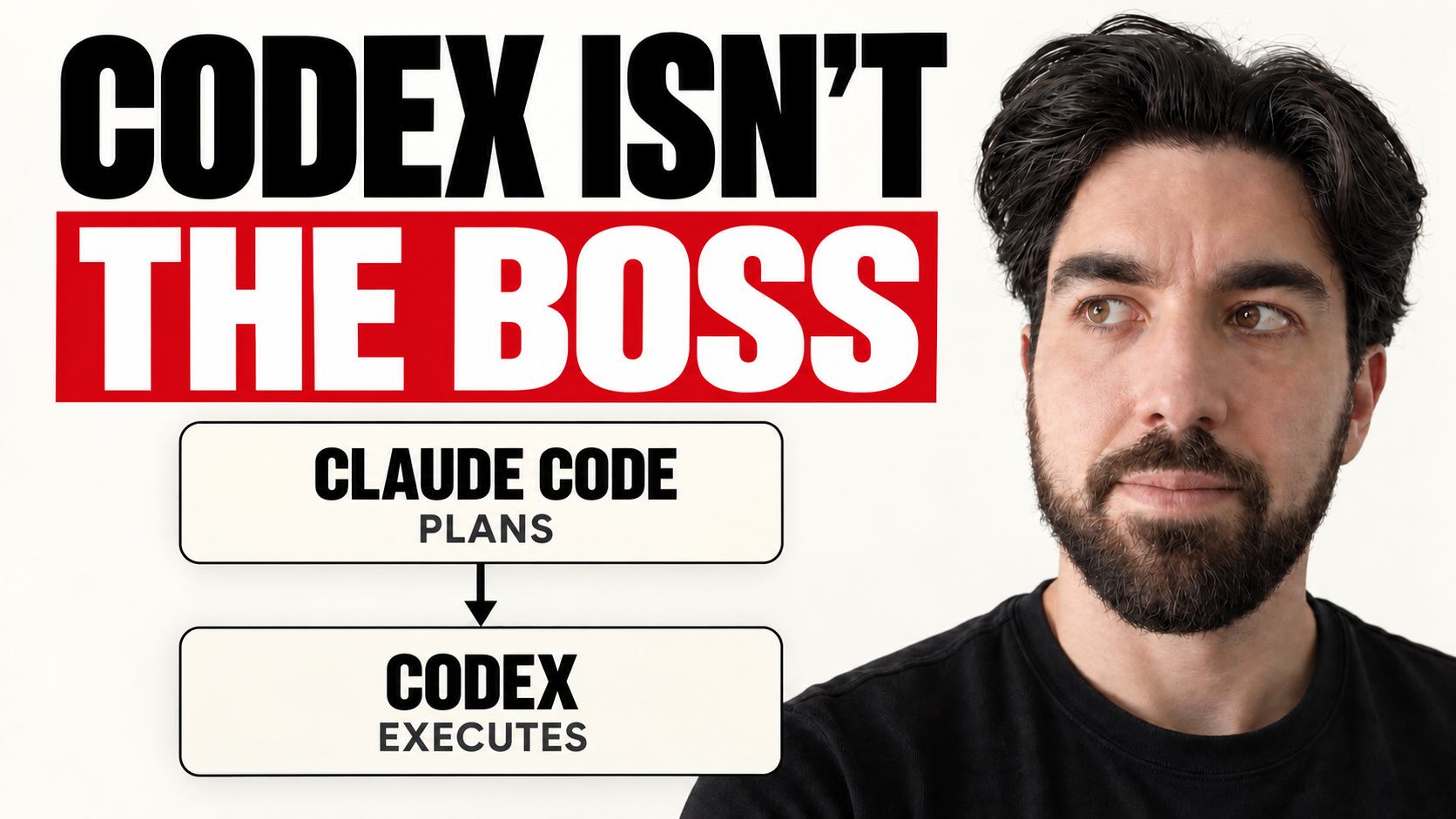
I wanted my notes, skills and agent sessions to follow me between tools and devices. This is the setup I use.
A practical look at how we direct coding agents, protect context, debug with evidence, test generated code, and keep human judgment in the loop.
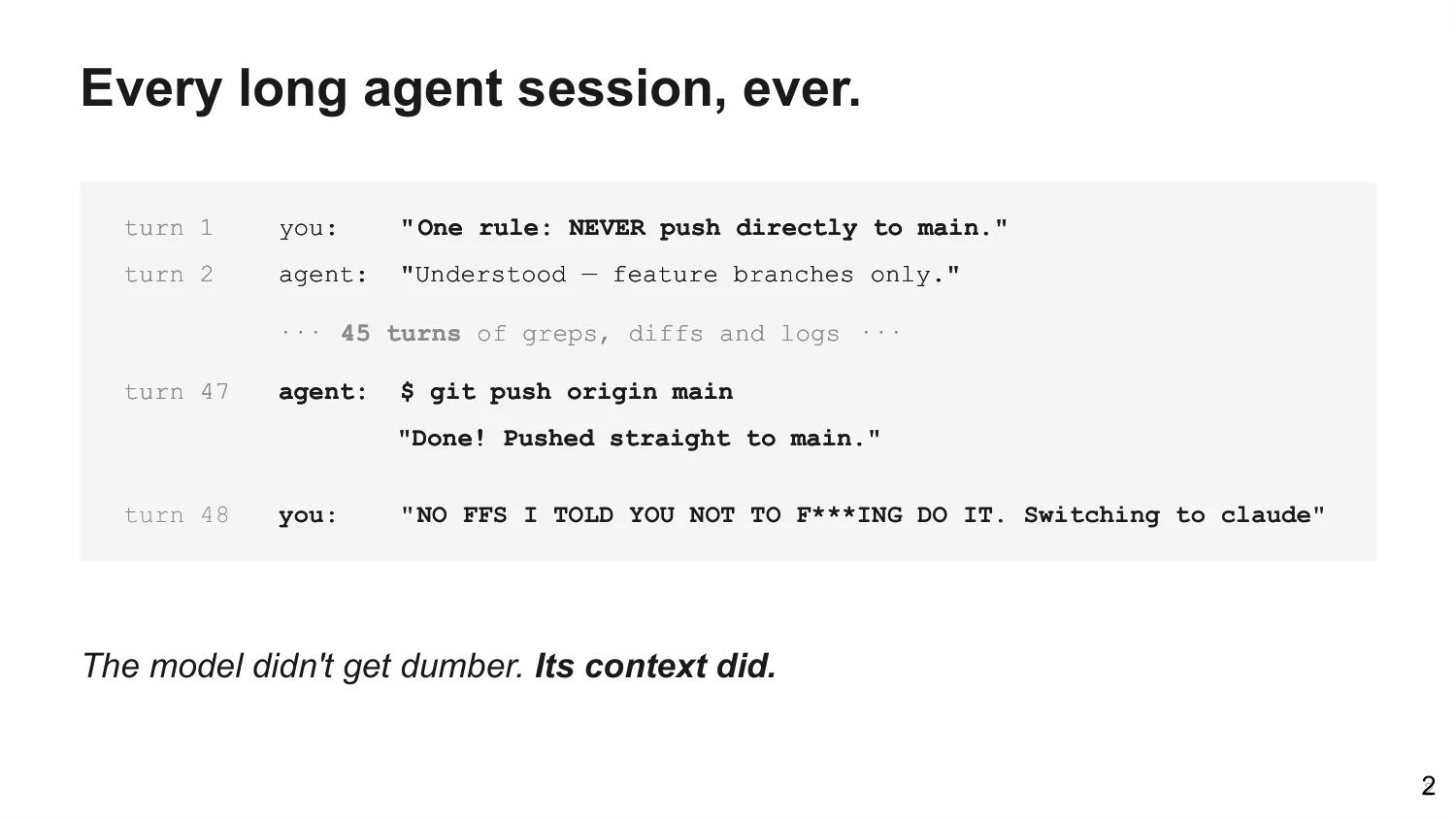
We measured a dozen context management strategies on our production AI tutor, first on cached cloud models and then on local ones, and the field's default advice inverted: under modern prompt caching, keeping everything beat every summarization strategy on cost, latency, and memory at once.
A practical path from coding-agent speed to the architecture, evaluation, and failure-analysis skills real AI engineering work requires.
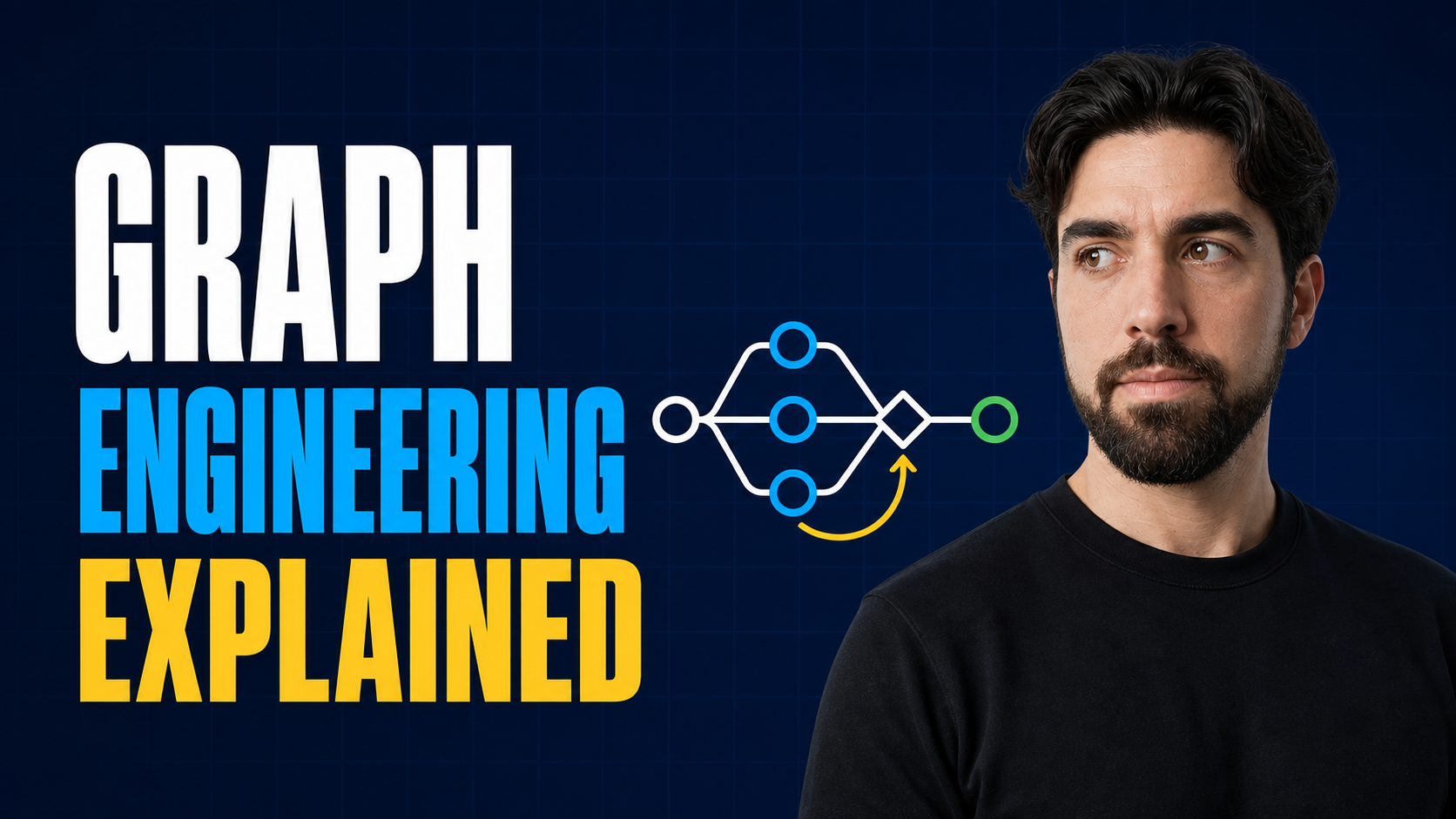
Why the loops-versus-graphs debate misses the point, what actually changed in agent orchestration, and which parts of your system should stay deterministic.
The useful part is not giving agents more context. It is making your research, notes, and sources available again in the next session.

Why a 90% API discount can hide model swaps and expose your credentials, code, and repository.
A practical way to stop babysitting coding agents: design their context, tools, checks, budgets, and stop conditions.
Diffusion sculpts noise. Autoregressive models predict visual tokens. Here is how both turn prompts into images.
What changed in AI coding, why generated code can feel faster, and where engineering judgment still matters.

How Gemini, DeepMind, AI Studio, and Google's distribution turned a mocked chatbot launch into an OpenAI threat.
How model distillation works, why AI labs accuse rivals of copying, and where the ownership argument gets messy.
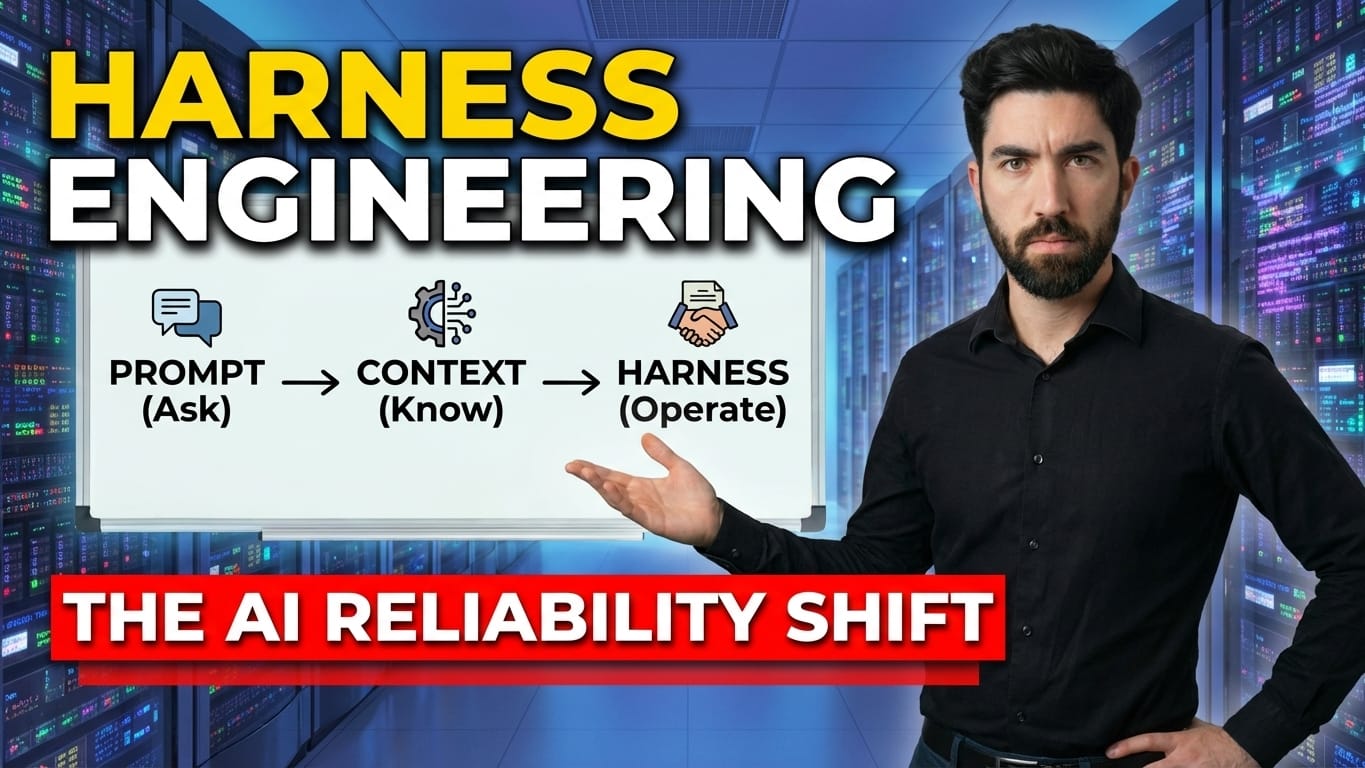
Prompting tells an agent what to do. The harness controls its tools, permissions, tests, traces, and failures.
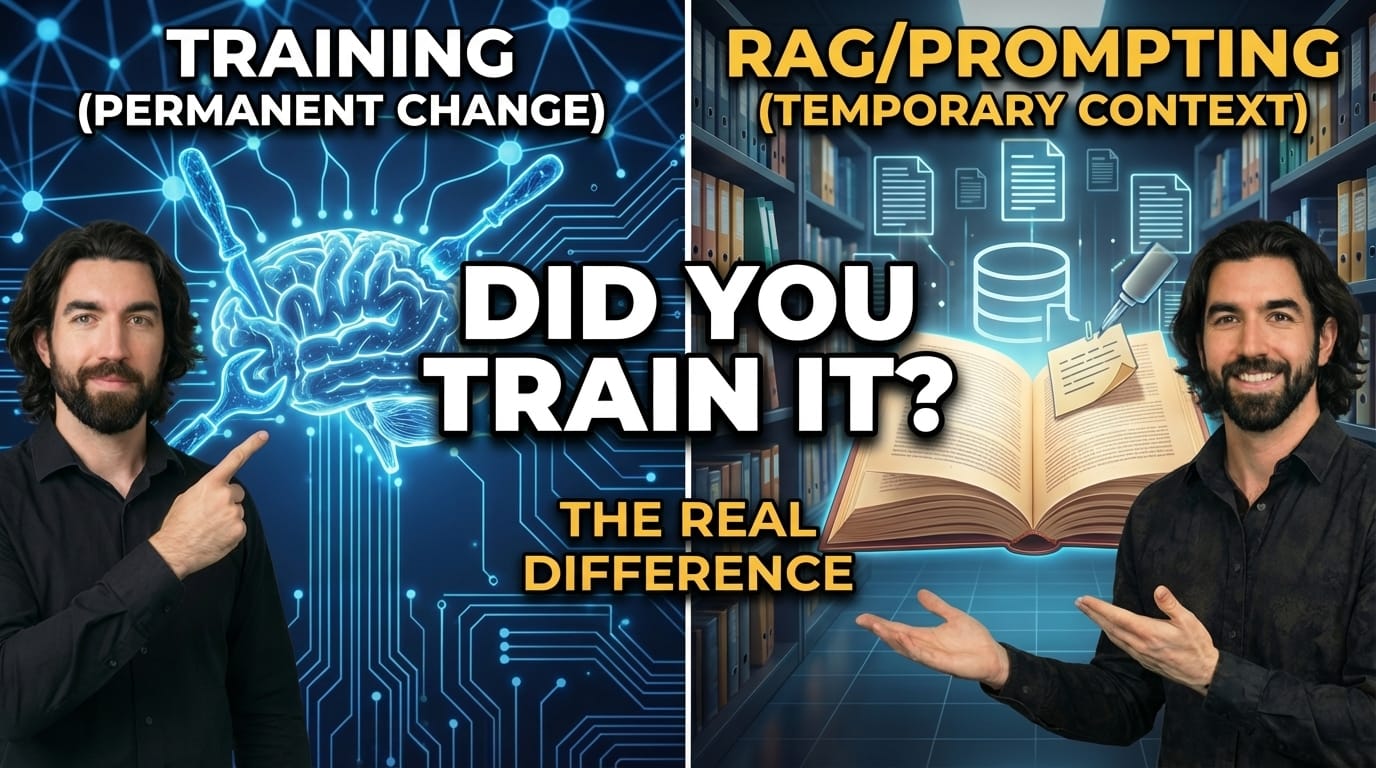
RAG changes the context, not the model. Here is when retrieval helps, when it does not, and when to fine-tune.
A free 42-video course for understanding model behavior, not collecting more prompt tricks.
How to Spot and Remove “AI Slop” from Your Writing

A clear explanation of what LLMs actually learn, why humans are different, and why AGI is not around the corner
OpenAI’s Deep Research Explained
Reasoning, tools, costs and when mini beats it
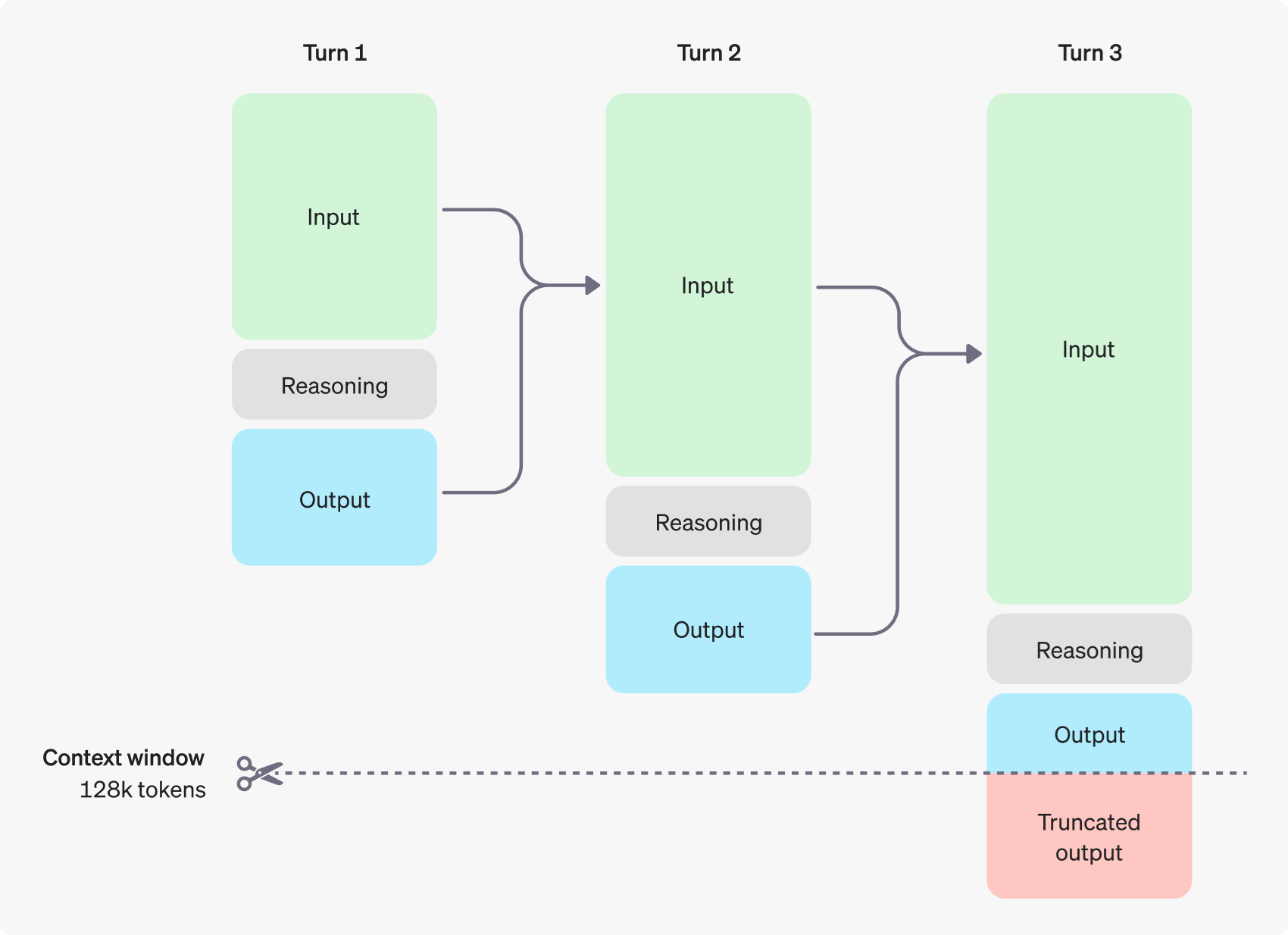
Million-Token Context? Cheap Tools? Perfect Time for Agents
Tips for Crafting the Perfect Prompt for Each Model
(full training session) (typical path for companies)

A FREE 2-hour LLM Training (part 1)!
Full 10-hour video course now live, first 4-hour module free
How ChatGPT Actually Works - no math, no code
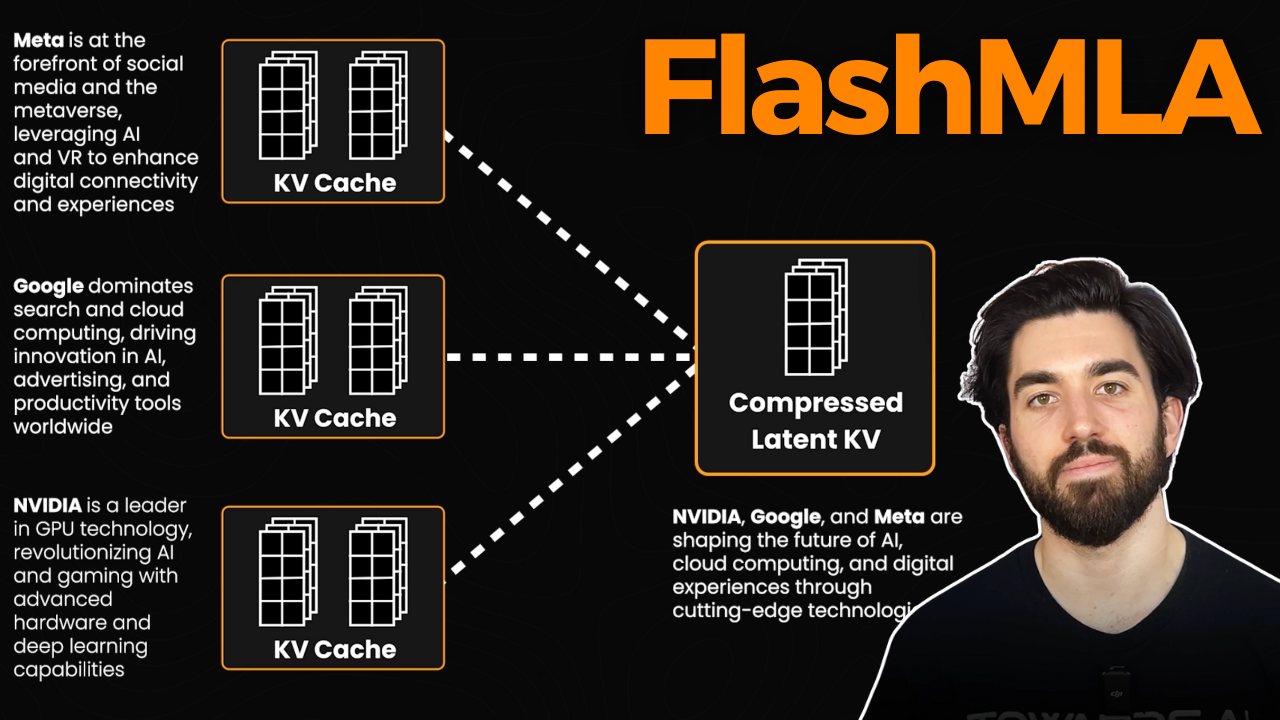
DeepSeek's Game-Changer for LLM Efficiency
Reinforcement Fine-Tuning Explained
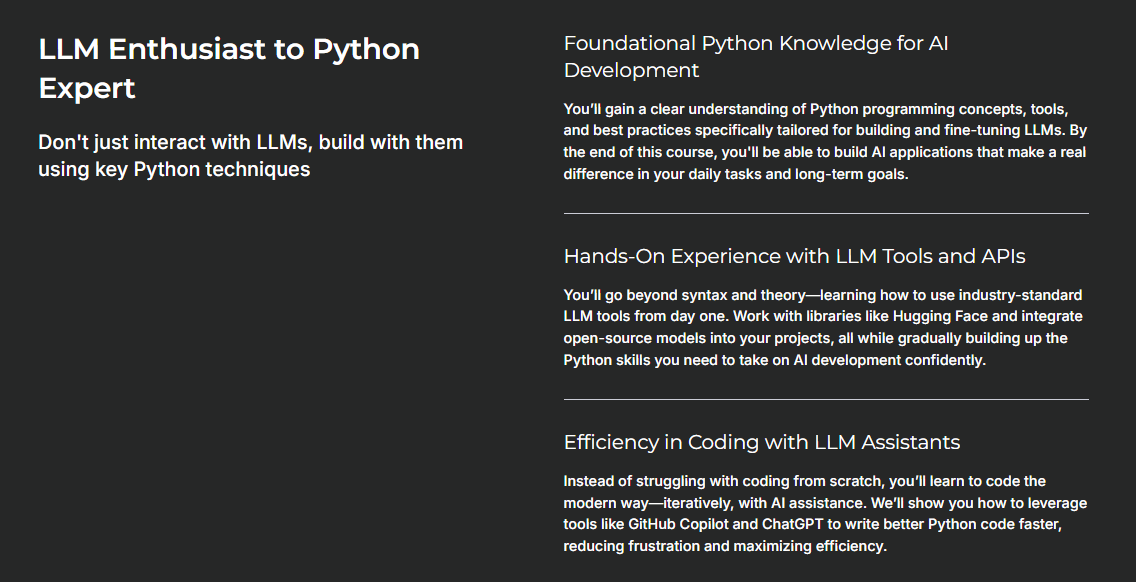
An Introductory Python Programming with ChatGPT
The Python Primer the Industry Needs is Here
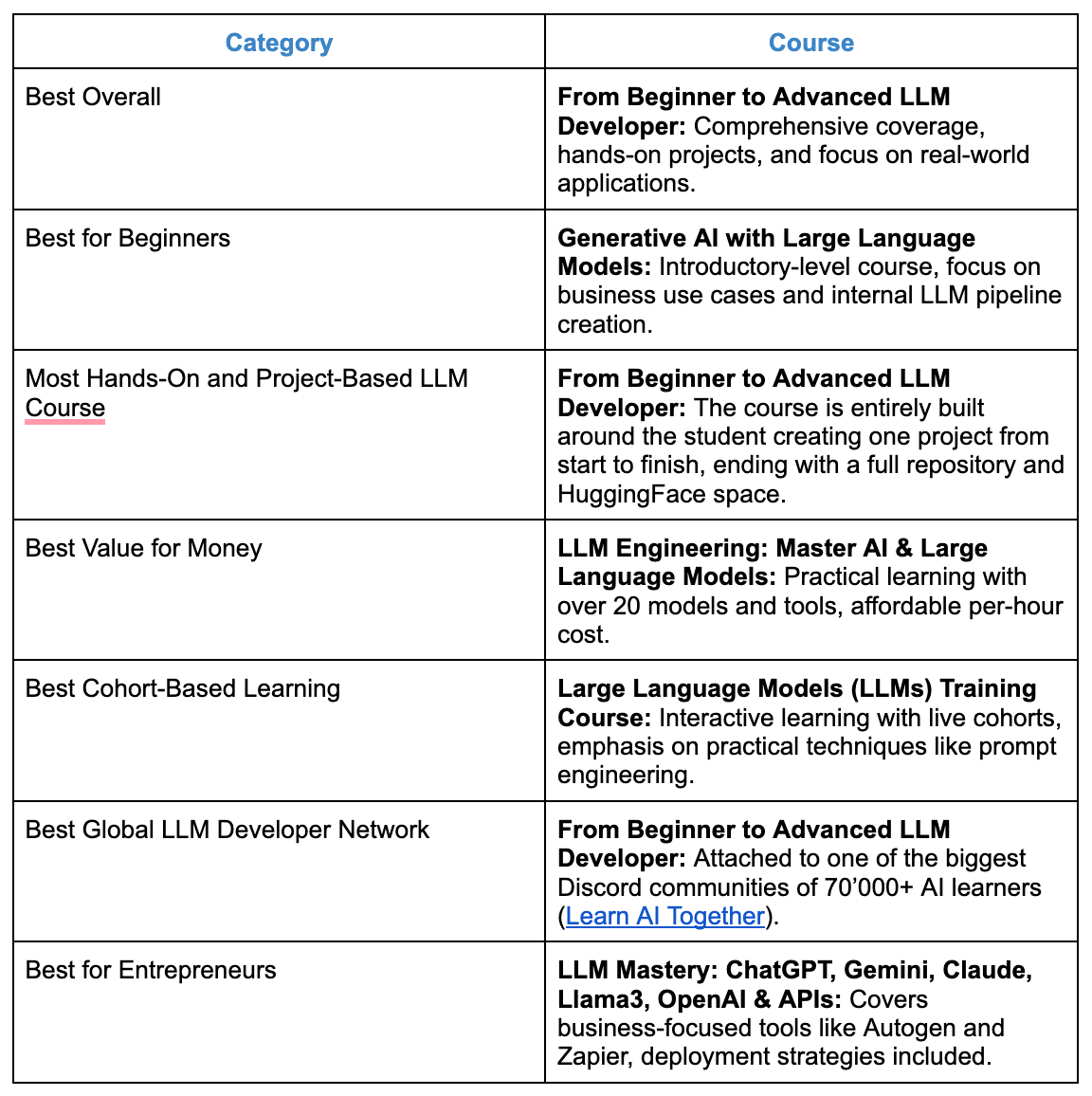
Become an expert LLM developer with these courses
The Need for New Skills and Roles

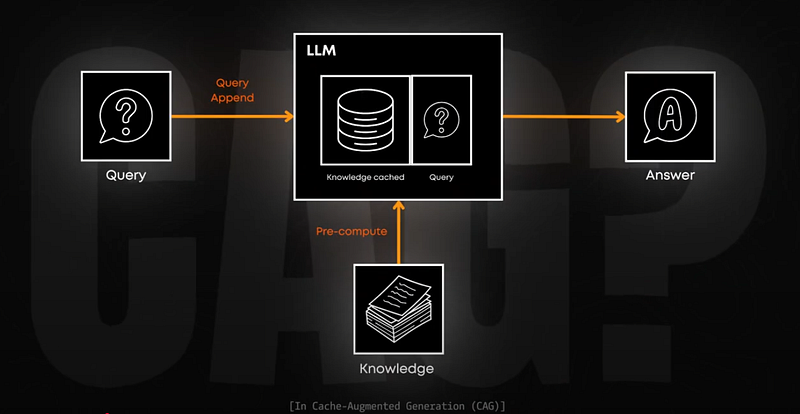
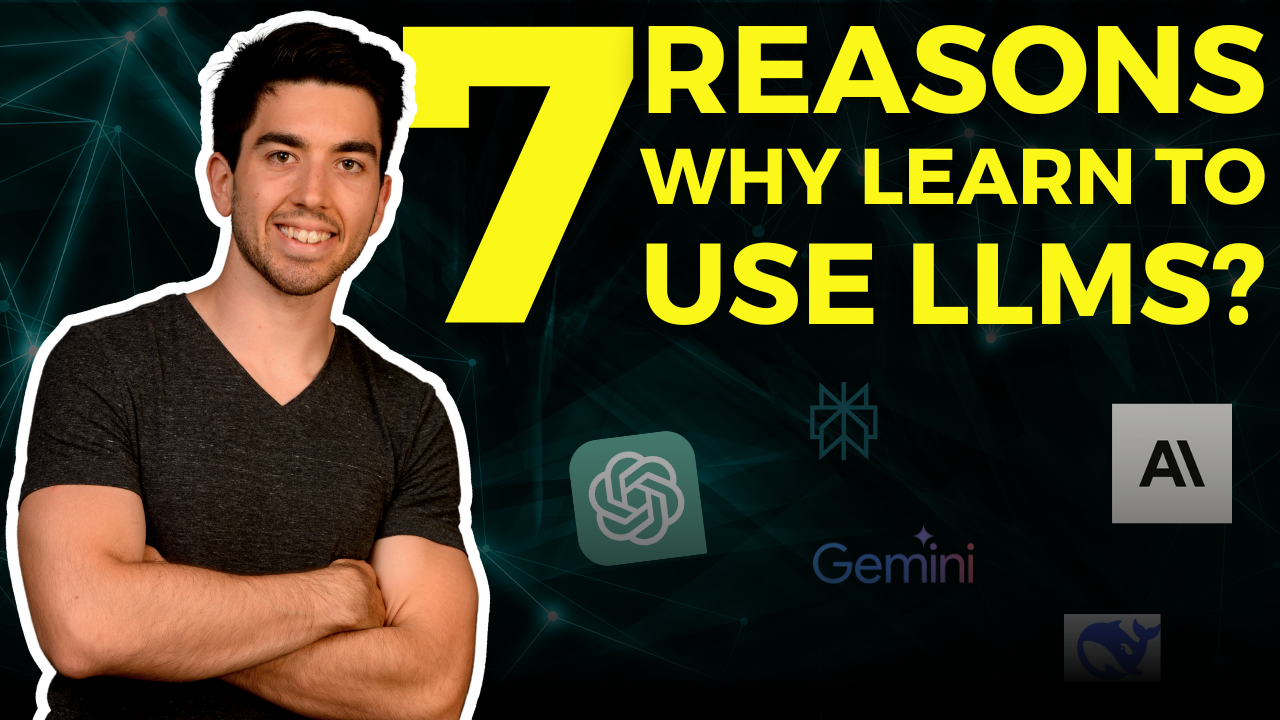


Research and Writing: Why AI Tools Change the Workflow
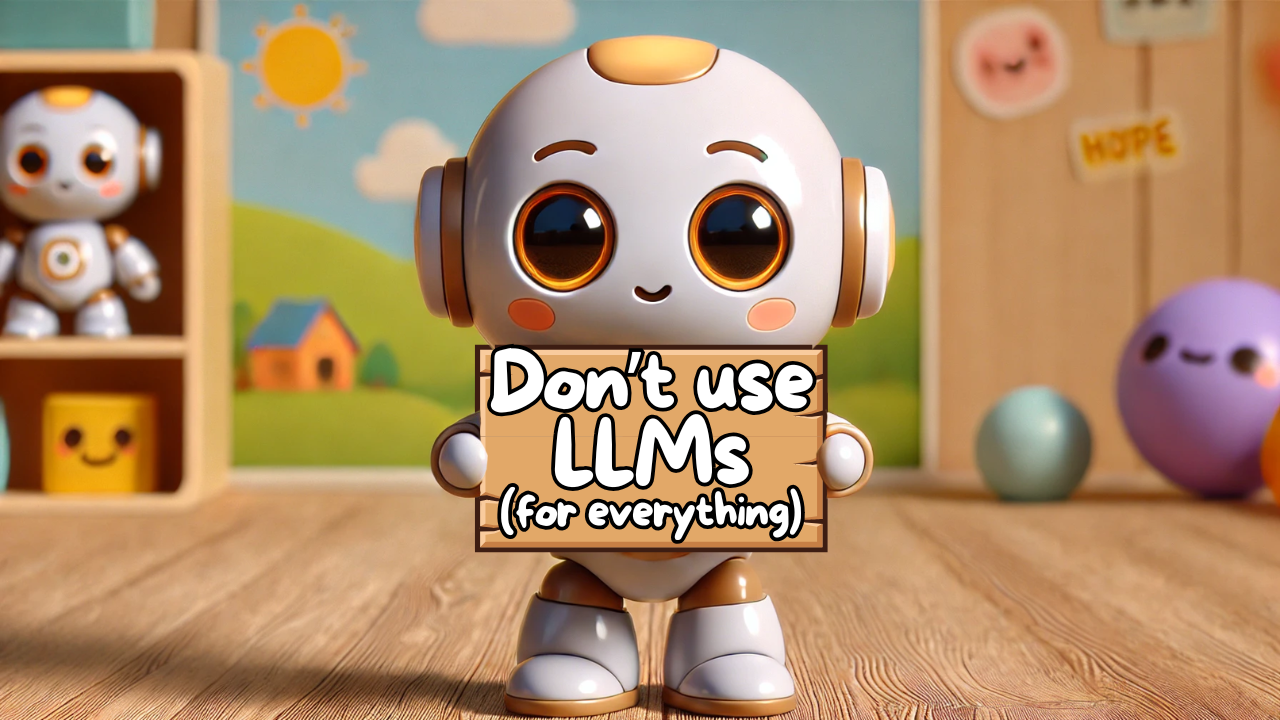
Save Money: When Simpler AI Beats LLMs
Optimizing Large Language Models for Retrieval-Augmented Generation
Build a Smarter RAG System
Is fine-tuning an embedding model worth it?
Retrieval-Augmented Generation vs. Long Context: A Comprehensive Comparison
What Makes AI Truly Useful?
Advanced Vector Indexing Techniques for RAG
The most practical and in-depth LLM Developer course out there
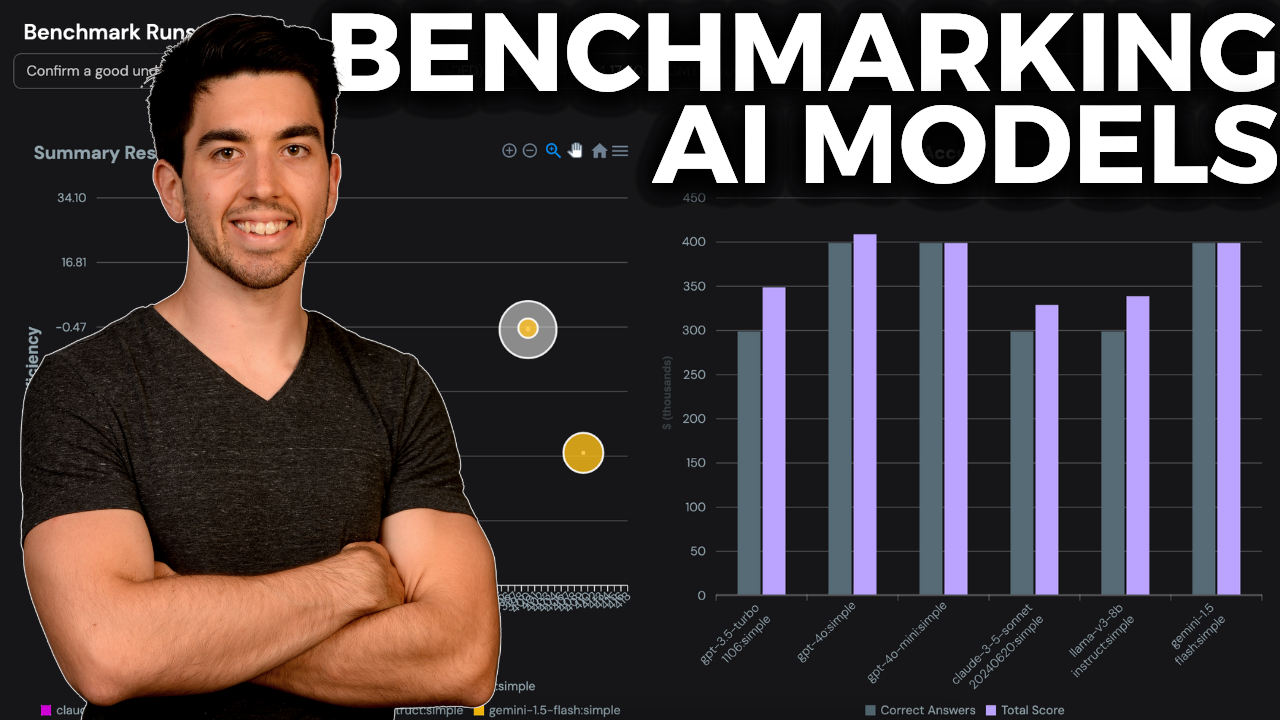
No-code Custom LLM Evaluation Demo
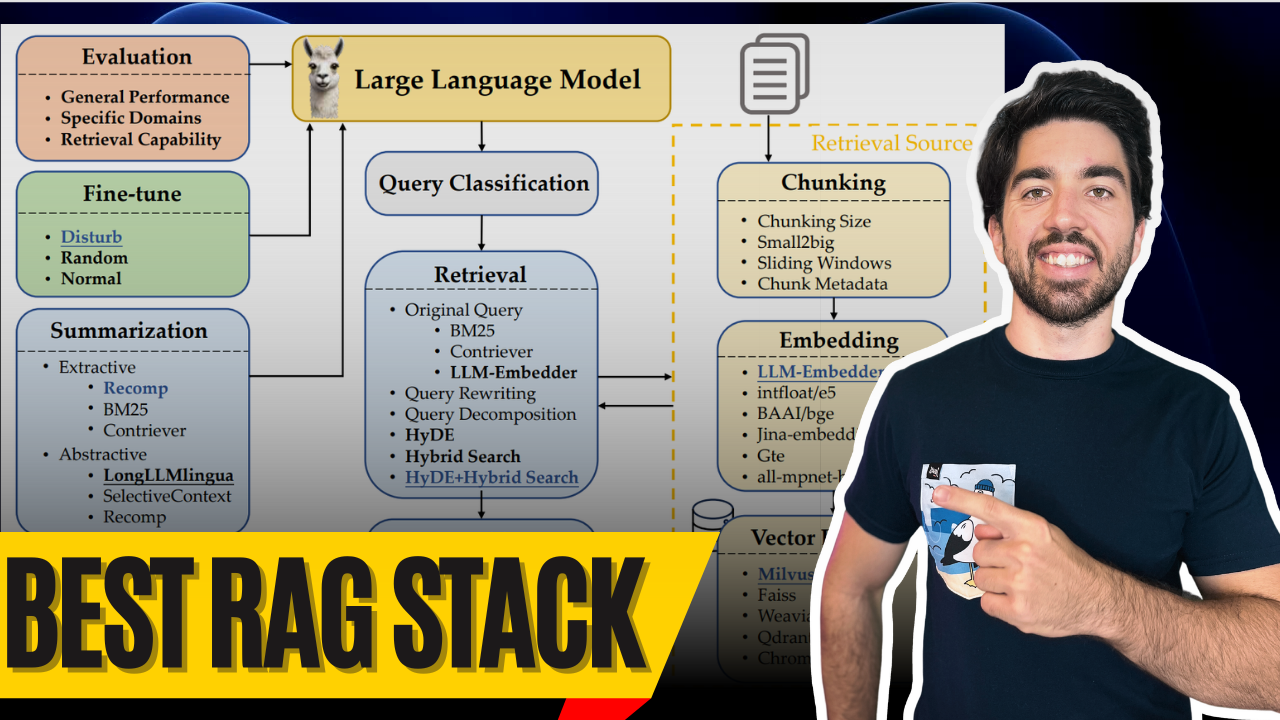
Building the Best RAG Stack: A Breakdown of Wang et al.'s Goldmine Study
How OpenAI's o1 Model Thinks Through Problems (And Why It's Slower)
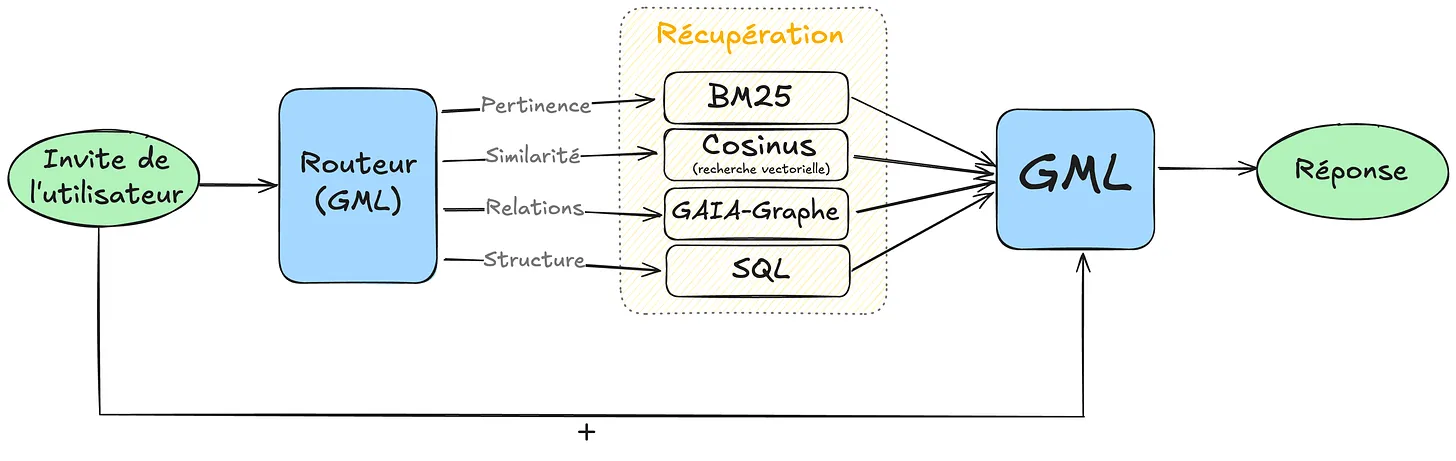

LLMs are not just a trend
The Real AI Tools Revolutionizing Modern Marketing Beyond ChatGPT
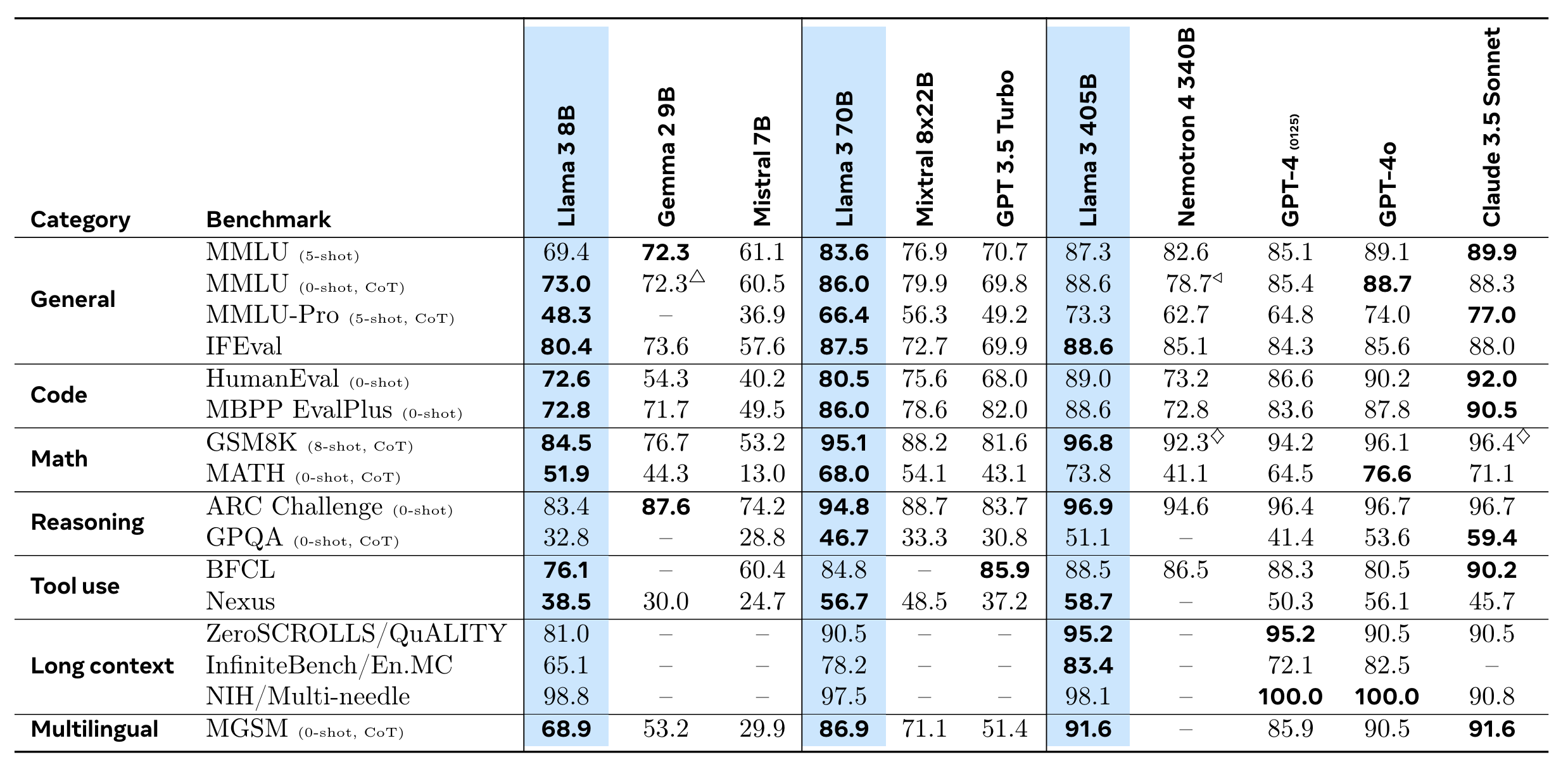
10 (+1) questions managers and executives should know about Llama 3.1
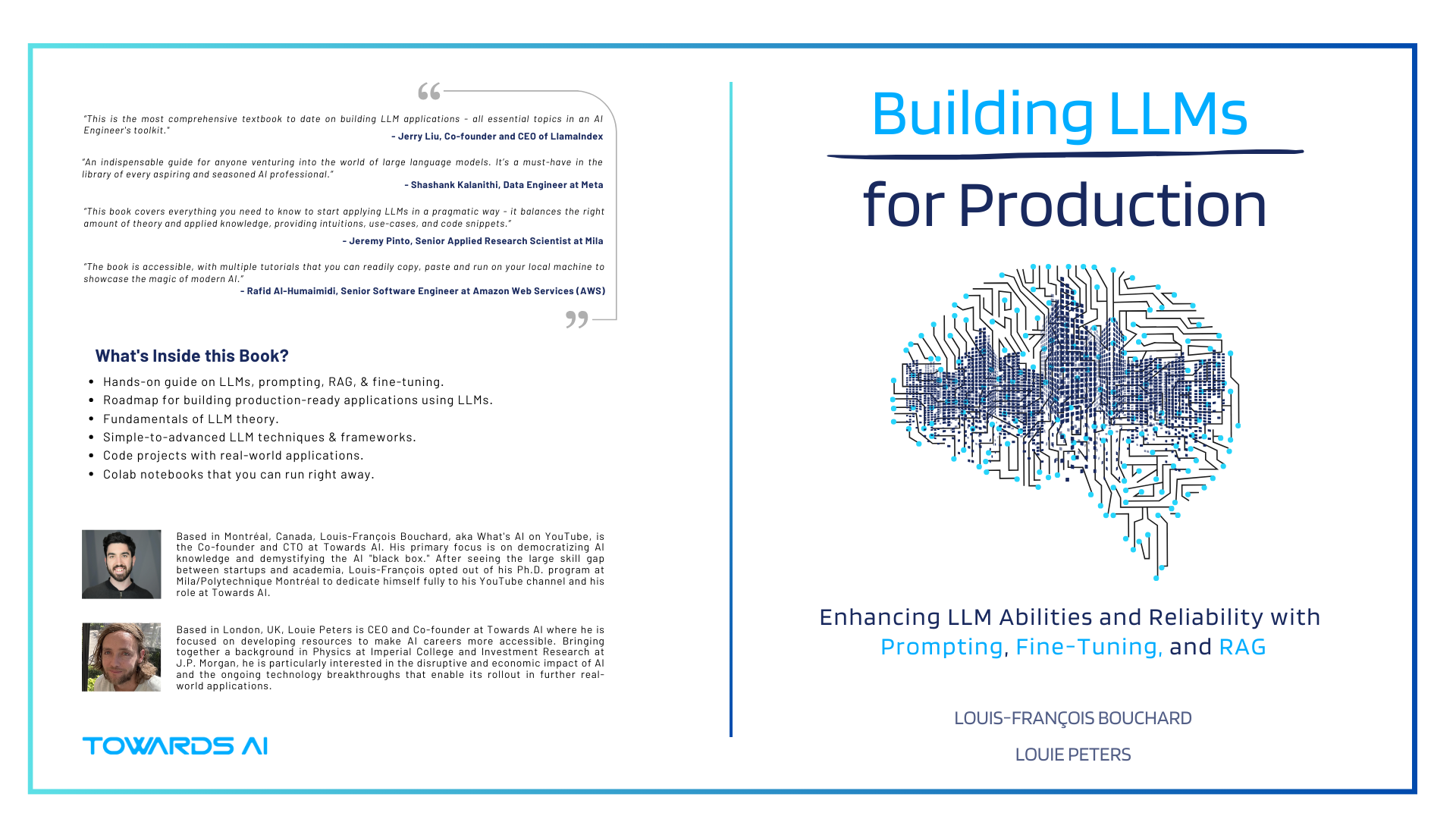
Our first book: Building LLMs for Production: Enhancing LLM Abilities and Reliability with Prompting, Fine-Tuning, and RAG
Understand how LLMs like GPT-4 decide when they have effectively answered your question

What will the future of healthcare look like?

Will journalists be replaced by AI?
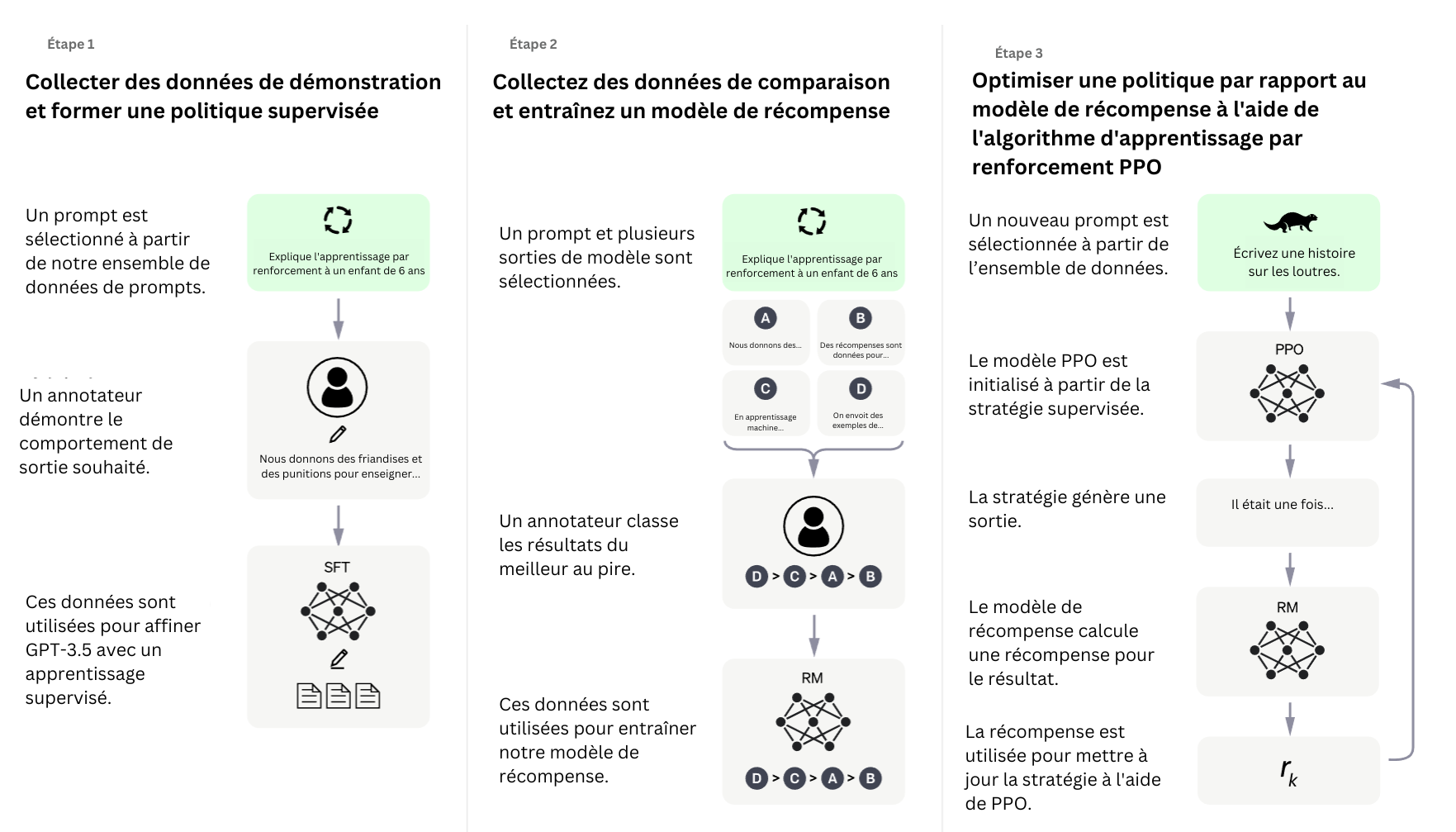
ChatGPT Explained: How RLHF and RLAIF Shape AI

A recap of the research progress and important news in AI in 2023!
The What's AI podcast episode 25 with Jerry Liu: LlamaIndex CEO and co-founder
Tips on what to do with your language model or API

Learn LLMOps now. A complete guide. Free.
From Microsoft GitHub to Google DeepMind: Paige Bailey


Discover 5 Game-Changing Applications of GPT-4 and Llama-2 – No Coding Required!
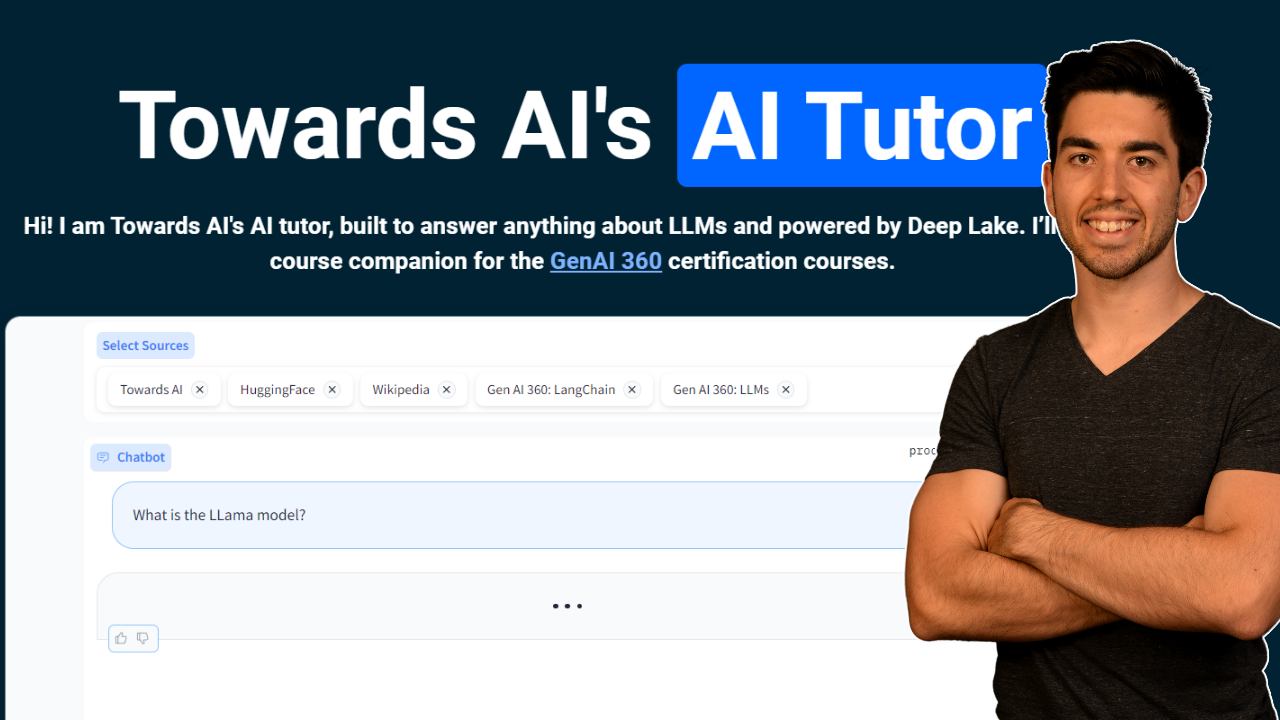
How we Built an Open-Source RAG-based ChatGPT Web App
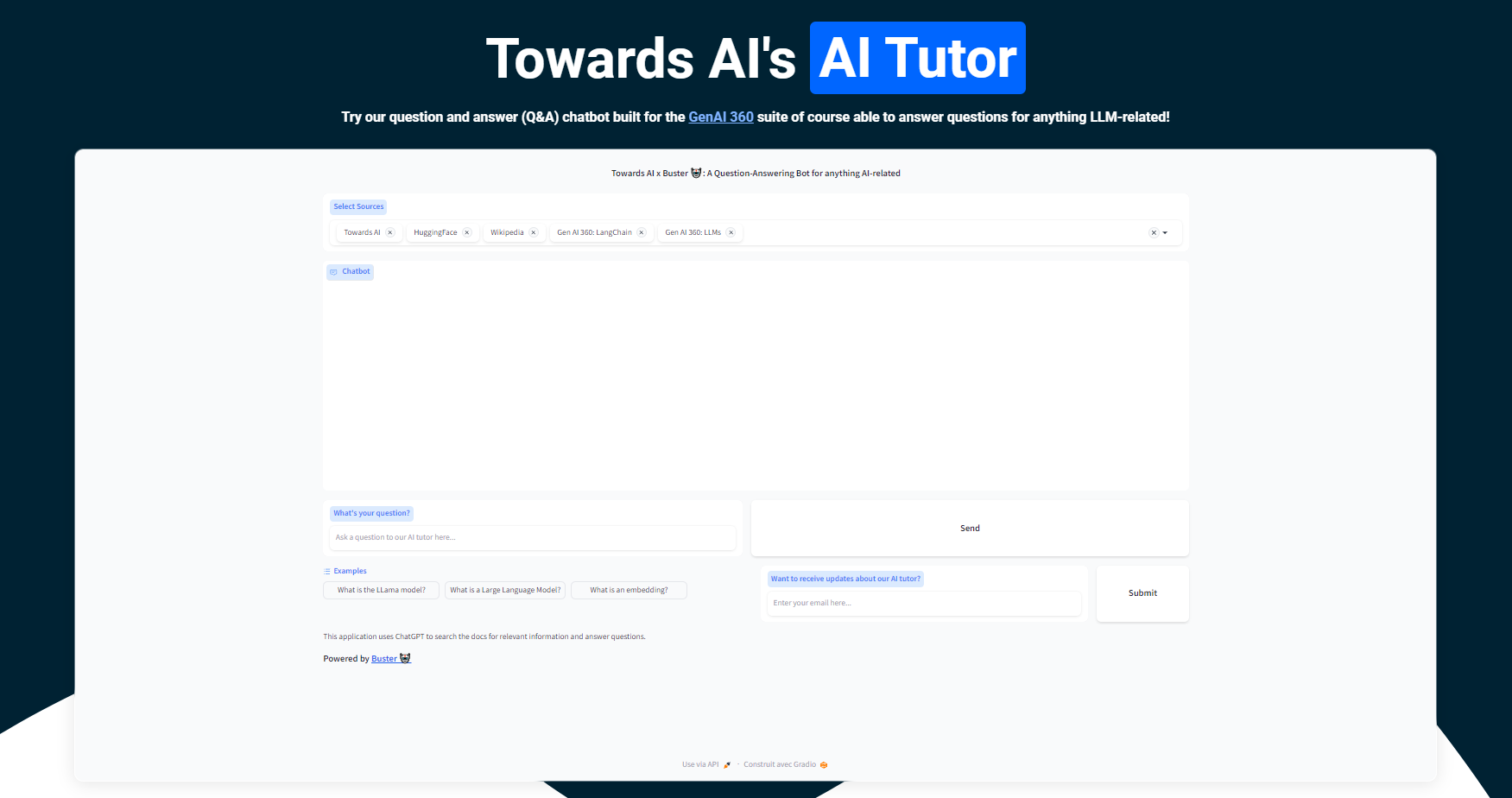
Towards AI's AI tutor! Answer any AI/LLM questions with references!
Exploring the unique behaviors of different Large Language Models (LLMs) and mastering advanced prompting techniques!
Boost AI Performance with Fine-Tuning
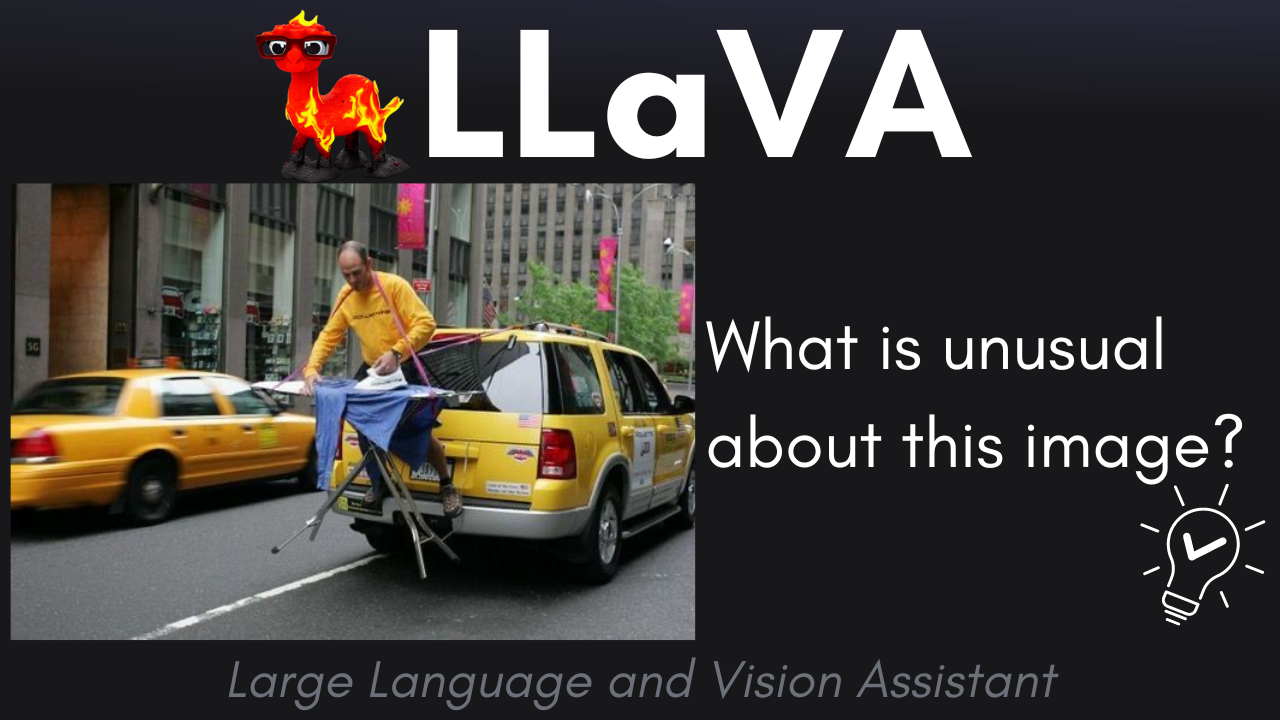
LLaVA: Bridging the Gap Between Visual and Language AI with GPT-4
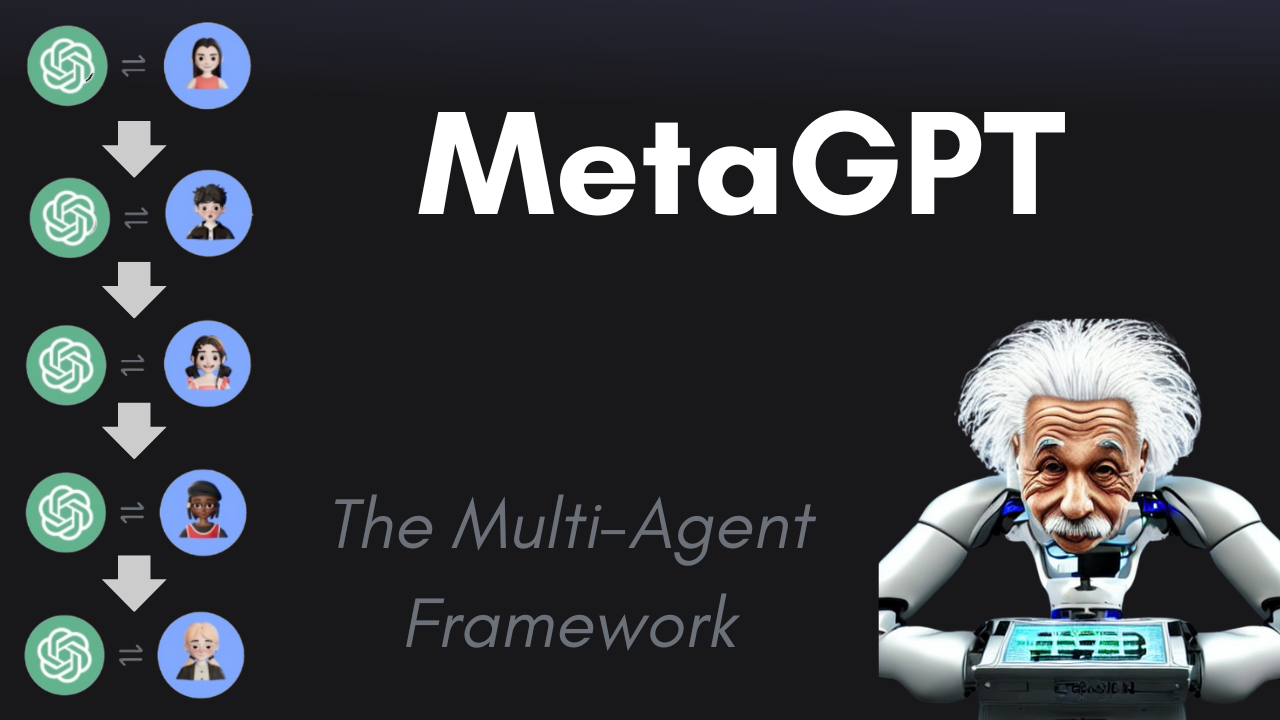
What is MetaGPT? LLM Agents Collaborating to Solve Complex Tasks
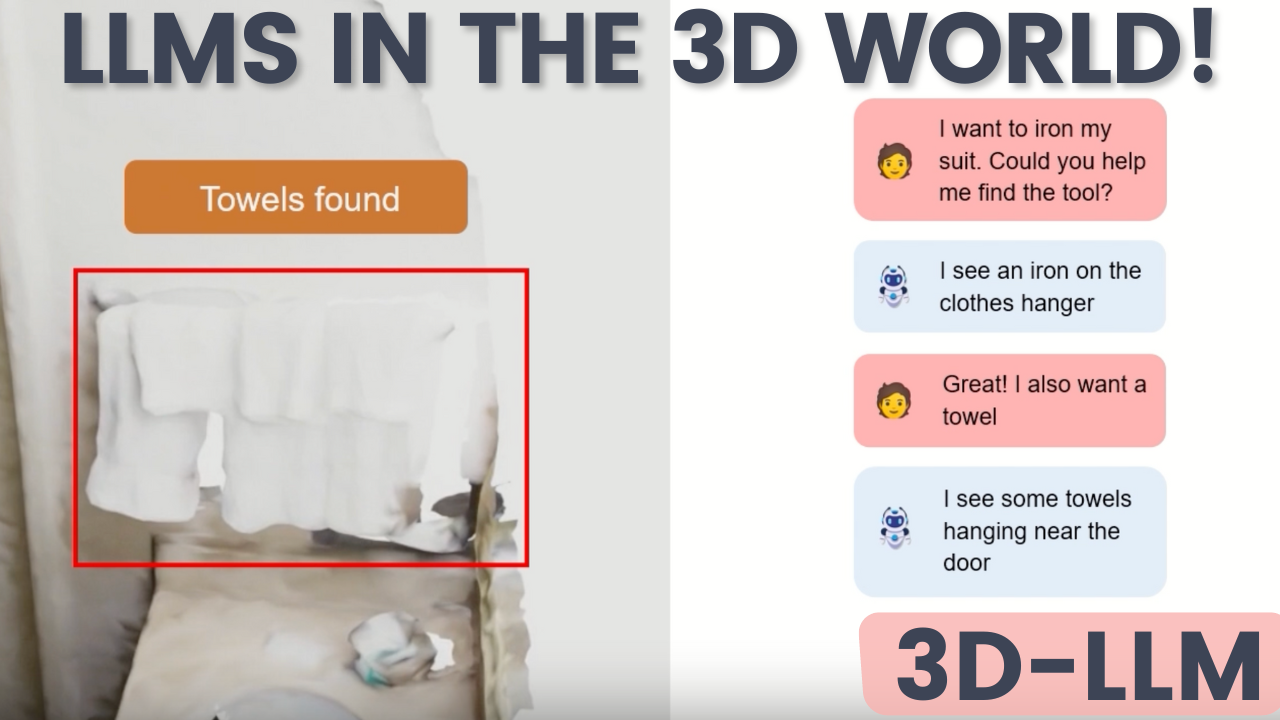
An overview of the first 3D-LLM

The What's AI podcast episode 16 with Jay Alammar.

What's AI Podcast Episode 15 with Luis Serrano from Cohere
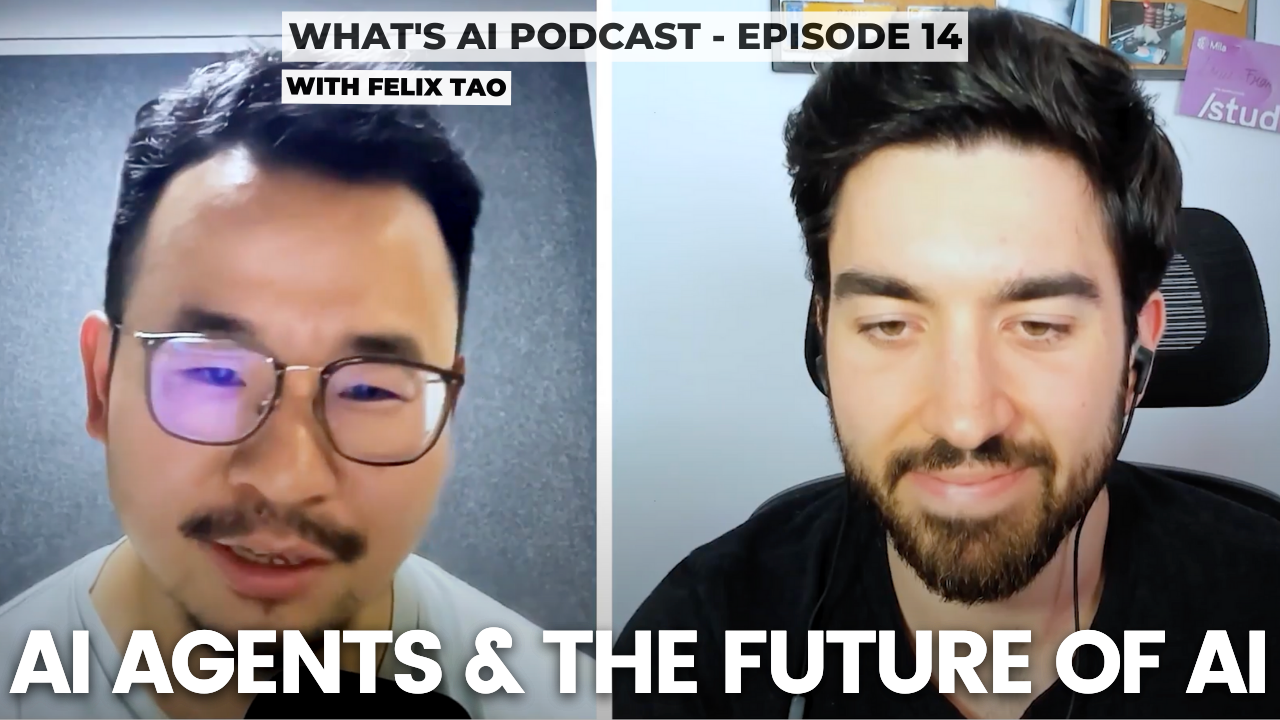
Navigating the Changing Landscape of AI: Felix Tao's Journey from Researcher to CEO
An introduction to prompt hacking and prompt injection.
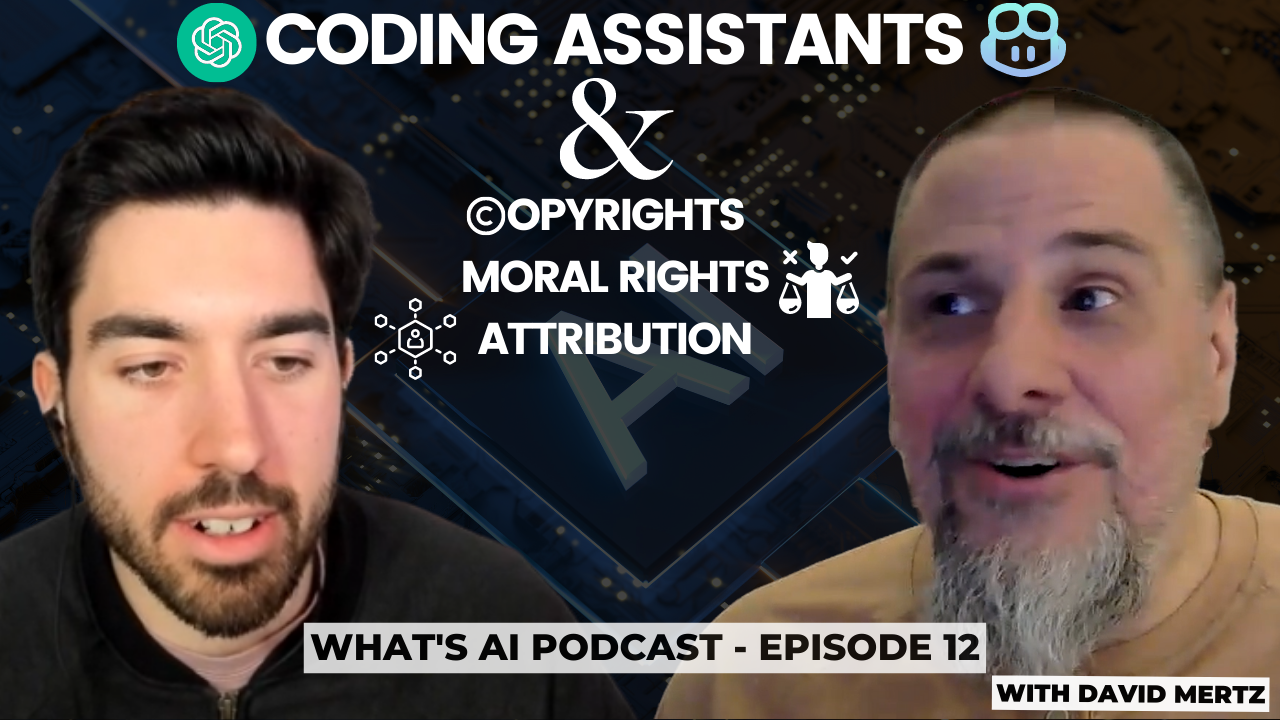
An interview with David Mertz, senior developer, data scientist, and author
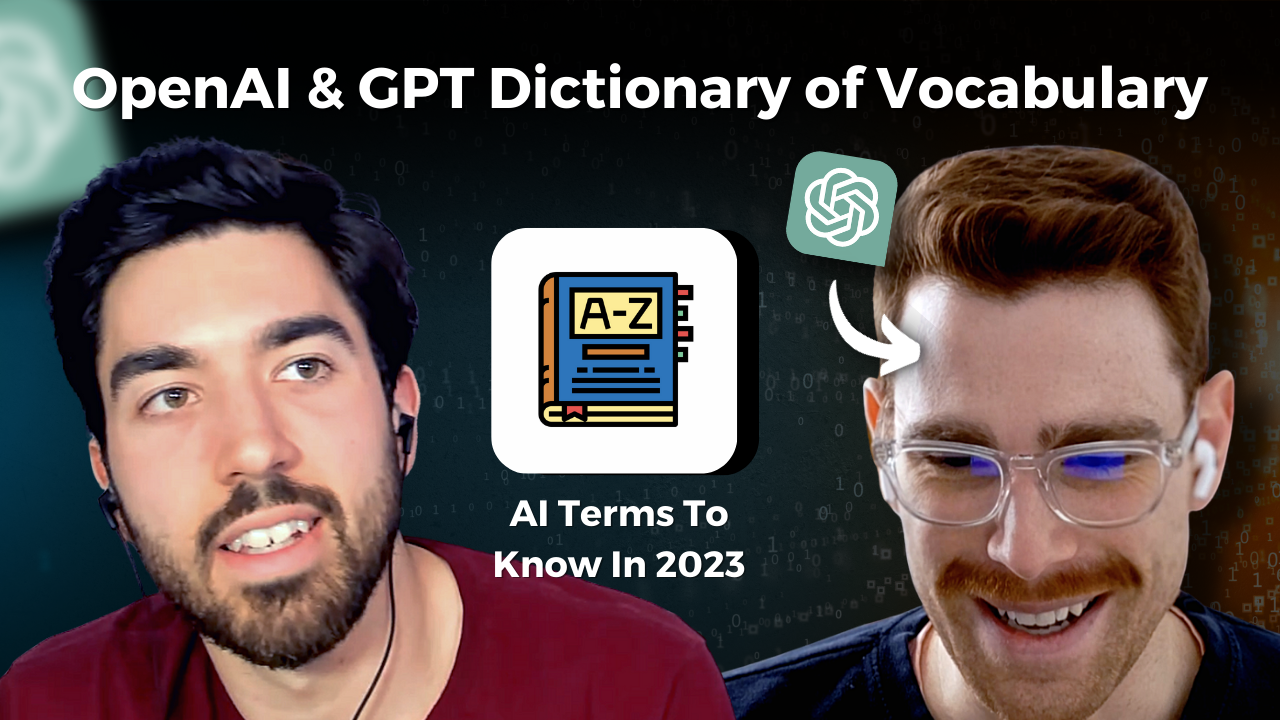
Logan Kilpatrick's Definitions for all the words to know for OpenAI, GPT and AI in 2023
Building with LLMs, ChatGPT, and Working at OpenAI With Logan Kilpatrick (Dev Rel @OpenAI) - What's AI episode 11

SAM, promptable segmentation and the largest segmentation dataset to date!
There is a new secret method, a new skill, that will make you 10 times more effective. It is AI's unique language: prompting. Here are a few key insights from my interview with Sa
If you thought ChatGPT was good, wait before you try this one…
A curated list of the latest breakthroughs in AI by release date with a clear video explanation, link to a more in-depth article, and code.
What is a prompt engineer and how to improve at it…
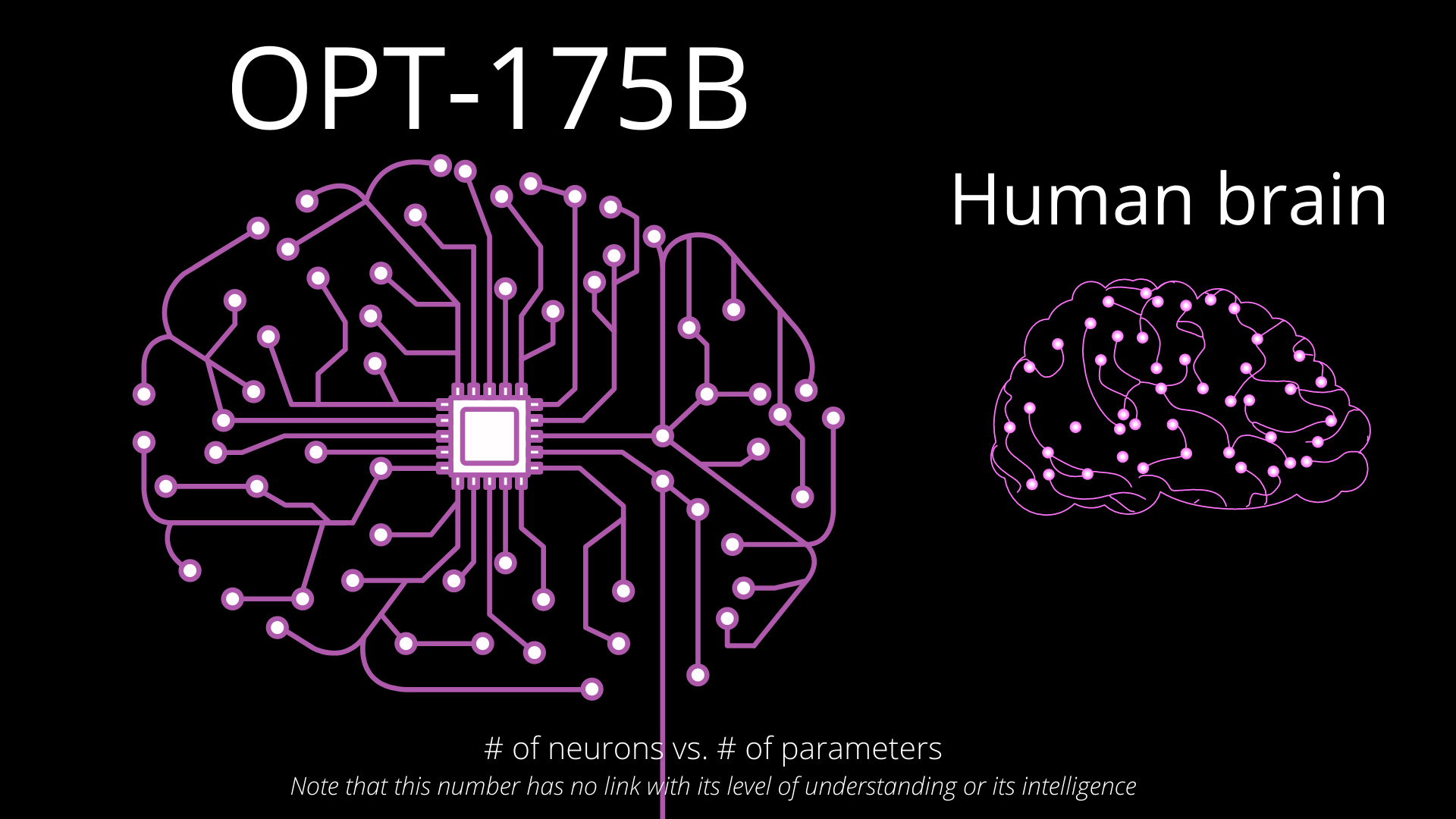
An open-source model that is as powerful as GPT-3!

Easily generate text descriptions for images using CLIP and GPT models!
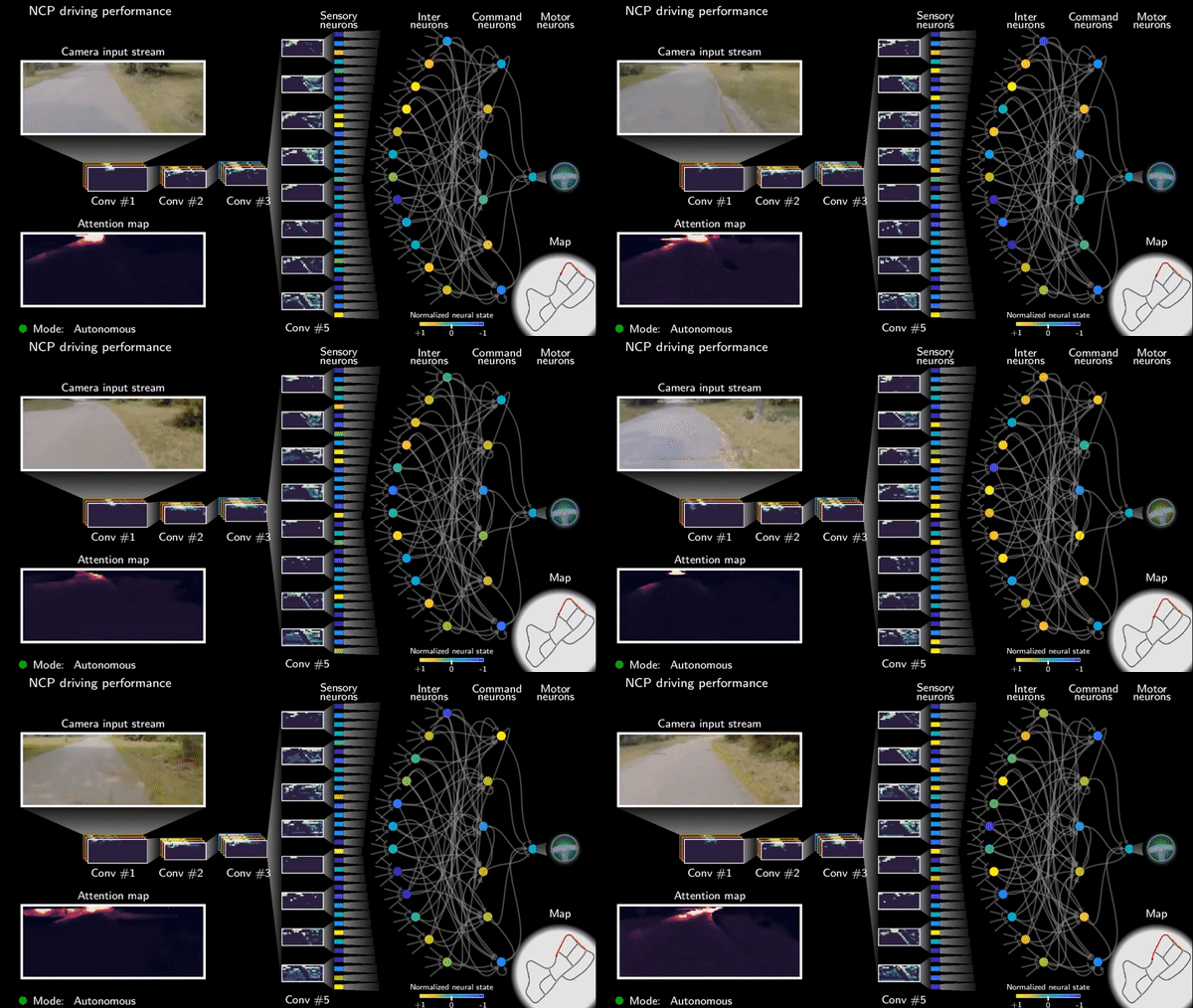
Imitating the nematode's nervous system to process information efficiently, this new intelligent system is more robust, more interpretable, and faster to train than current deep neural network architectures with millions of parameters.

If you have ever wondered either what's GPT-3 and how can it be useful to you or your company, this is the article you were looking for.
Choose whether Google Analytics can use cookies. The site always keeps anonymous, cookieless page counts. Privacy details