The short version
The July 2021 roundup covered GIRAFFE for compositional 3D-aware image generation, the early Codex and GitHub Copilot release for code suggestions, and Apple’s on-device person recognition in Photos. It is a snapshot of those systems at launch, not a current product guide. The project pages and papers remain useful for understanding the methods and privacy tradeoffs discussed then.
Here are the 3 most interesting research papers of the month, in case you missed any of them. It is a curated list of the latest breakthroughs in AI and Data Science by release date with a clear video explanation, link to a more in-depth article, and code (if applicable). Enjoy the read, and let me know if I missed any important papers in the comments, or by contacting me directly on LinkedIn!
If you’d like to read more research papers as well, I recommend you read my article where I share my best tips for finding and reading more research papers.
Paper #1:
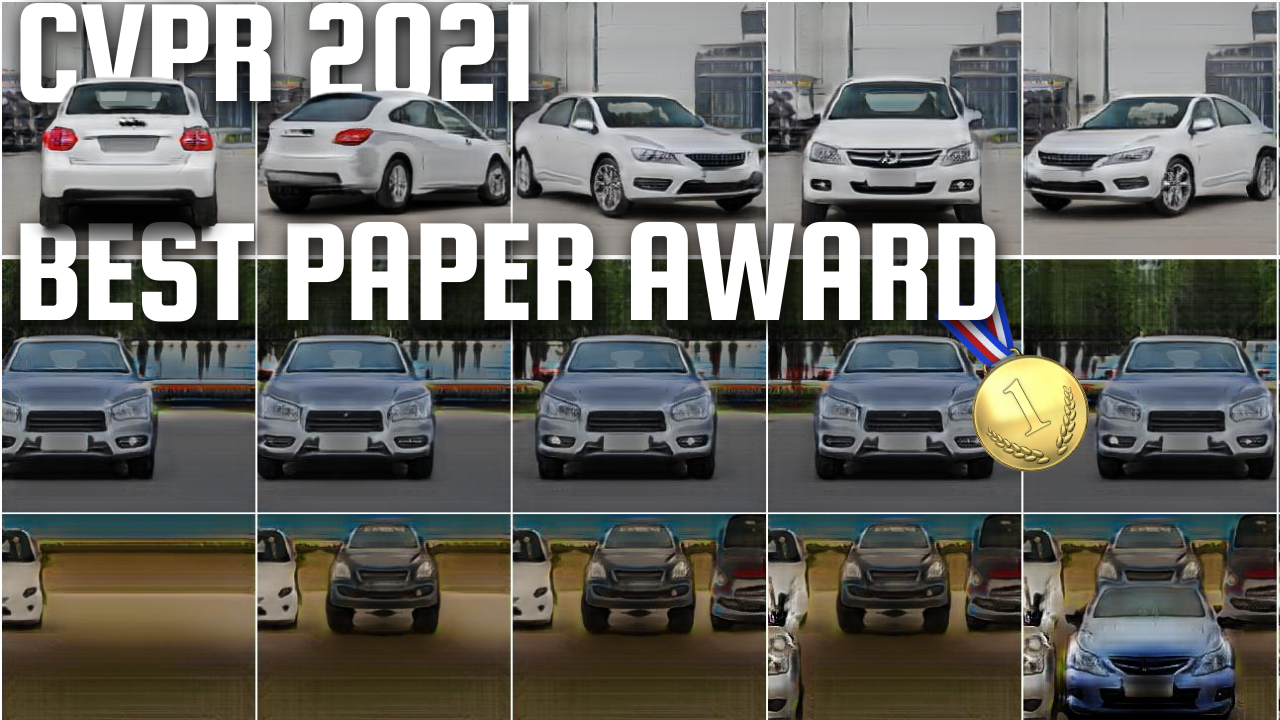
CVPR 2021 Best Paper Award: GIRAFFE - Controllable Image Generation [1]
Using a modified GAN architecture, they can move objects in the image without affecting the background or the other objects!
Watch the video
A short read version
[
CVPR 2021 Best Paper Award: GIRAFFE - Controllable Image Generation
Using a modified GAN architecture, they can move objects in the image without affecting the background or the other objects!
](/cvpr-2021-best-paper/)
Code: https://github.com/autonomousvision/giraffe
Paper #2:
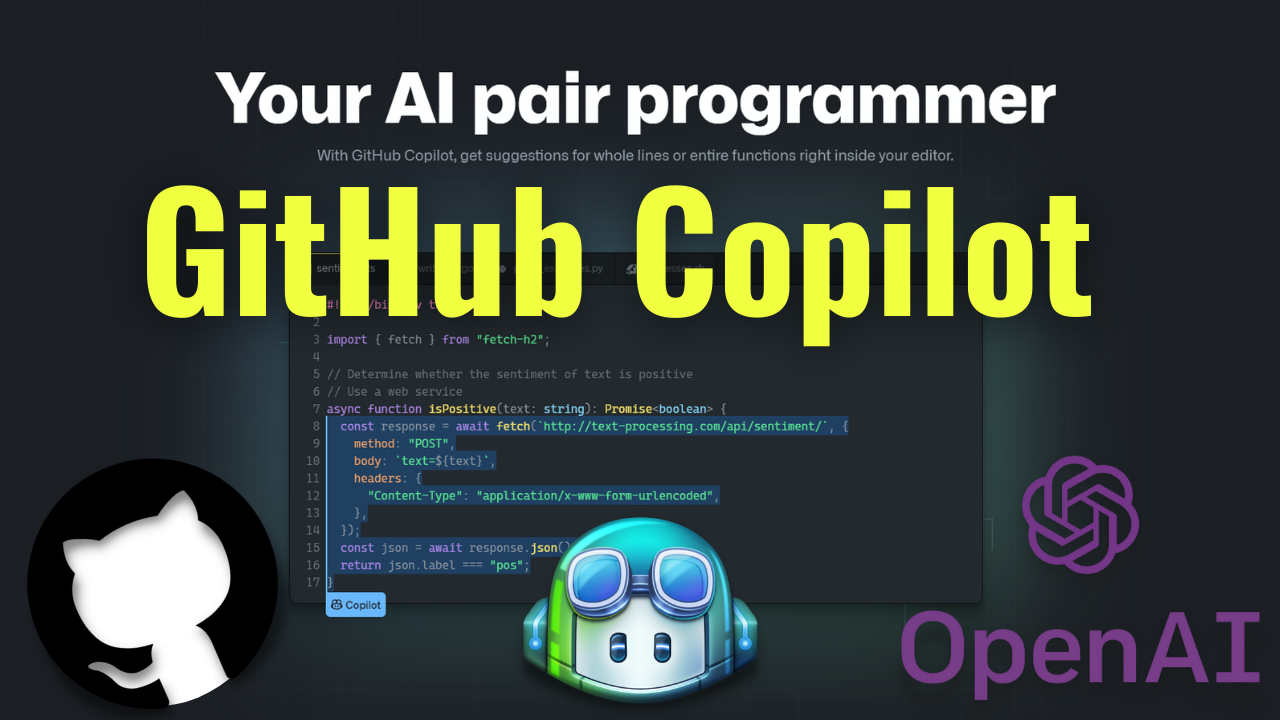
OpenAI’s New Code Generator: GitHub Copilot (and Codex) | This AI Generates Code From Words [2]
Find out how this new model from OpenAI Generates Code From Words!
Watch the video
A short read version
[
OpenAI’s New Code Generator: GitHub Copilot (and Codex)
Find out how this AI Generates Code From Words
](/github-copilot/)
Code: https://copilot.github.com/
Paper #3:
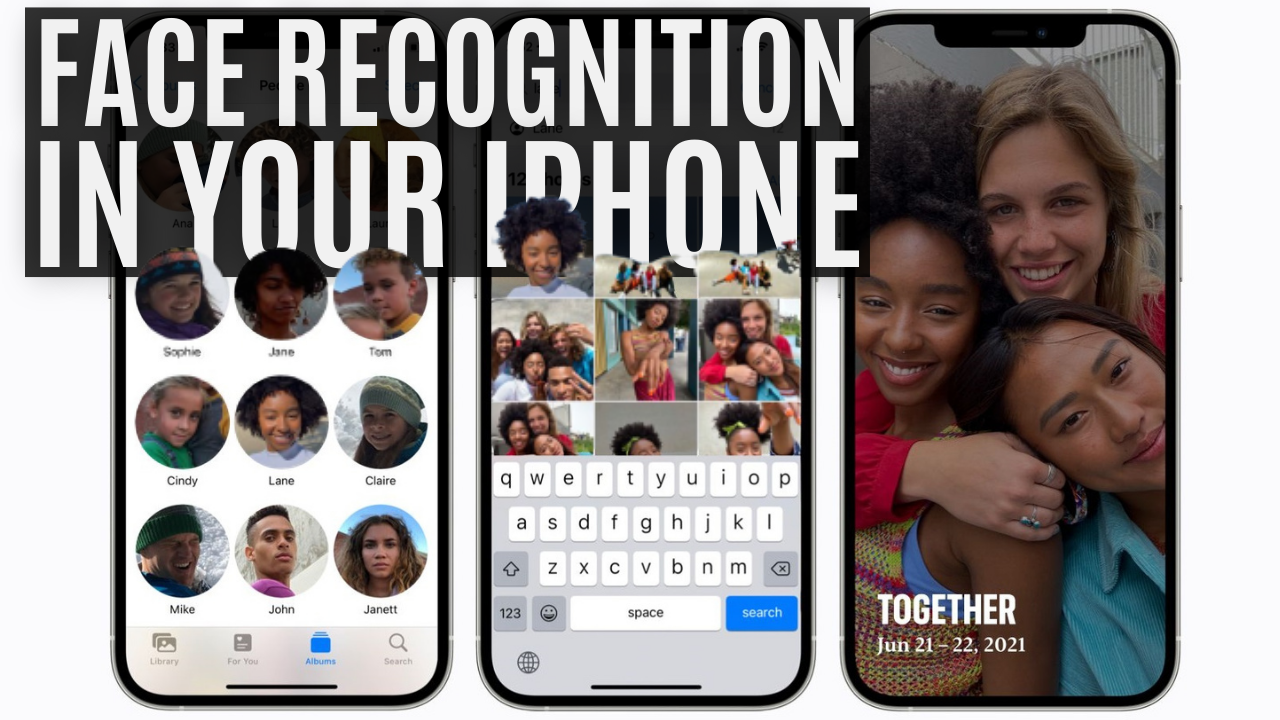
How Apple Photos Recognizes People in Private Photos Using Machine Learning [3]
Using multiple machine learning-based algorithms running privately on your device, Apple allows you to accurately curate and organize your images and videos on iOS 15.
Watch the video
A short read version
[
How Apple Photos Recognizes People in Private Photos Using Machine Learning
Using multiple machine learning-based algorithms running privately on your device, Apple allows you to accurately curate and organize your images and videos on iOS 15.
](/how-apple-photos-recognizes-people/)
If you like my work and want to stay up-to-date with AI, you should definitely follow me on my other social media accounts (LinkedIn, Twitter) and subscribe to my weekly AI newsletter!
To support me:
- The best way to support me is by following me here on Medium or subscribe to my channel on YouTube if you like the video format.
- Support my work on Patreon.
- Join our Discord community: Learn AI Together and share your projects, papers, best courses, find Kaggle teammates, and much more!
References
[1] Michael Niemeyer and Andreas Geiger, (2021), “GIRAFFE: Representing Scenes as Compositional Generative Neural Feature Fields”, Published in CVPR 2021.
[2] OpenAI’s Codex/copilot paper: https://arxiv.org/pdf/2107.03374.pdf
[3] Apple, “Recognizing People in Photos Through Private On-Device Machine Learning”, (2021), https://machinelearning.apple.com/research/recognizing-people-photos
FAQ
Which projects appear in the July 2021 roundup?
The list includes GIRAFFE, GitHub Copilot and Codex, and Apple's on-device person recognition for Photos.
Why did GIRAFFE win attention at CVPR?
Its 3D-aware representation enabled more independent control over objects, camera position, and scene composition.
What did Copilot demonstrate for programmers?
It showed how a language model trained on code could suggest implementations from comments and surrounding source context.
Why is on-device photo recognition important?
Local processing can organize personal images while limiting the need to upload private photo libraries.
What does the monthly format provide?
It offers a quick entry point before readers open the demonstrations, code, and primary sources.