The short version
In March 2021, this roundup selected three projects: a brain-computer interface combining EEG and GANs to generate faces tied to individual attraction responses, an experiment with AI-created dating profiles, and Swin Transformer for hierarchical computer vision with shifted windows. Each entry serves as a starting point, linking a short explanation to the underlying study, demo, and code when available.
Here are the 3 most interesting research papers of the month, in case you missed any of them. It is a curated list of the latest breakthroughs in AI and Data Science by release date with a clear video explanation, link to a more in-depth article, and code (if applicable). Enjoy the read, and let me know if I missed any important papers in the comments, or by contacting me directly on LinkedIn!
Paper #1:
Brain-computer interface for generating personally attractive images [1]
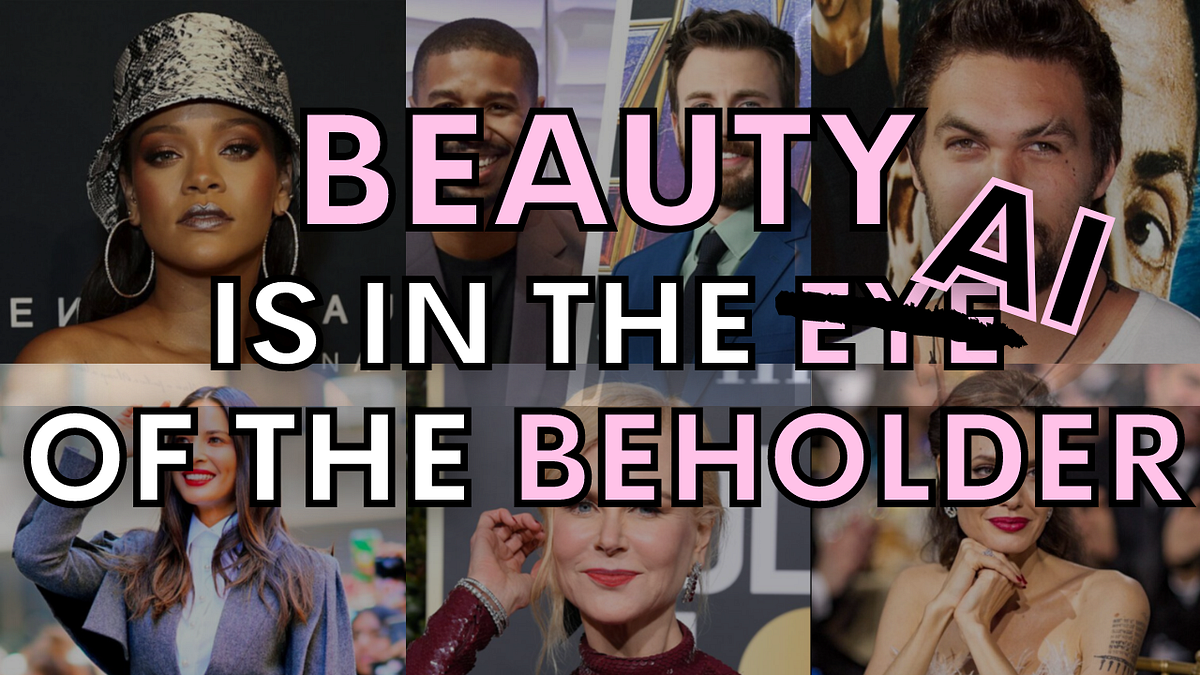
Can an AI understand what beauty is to us? This one reads your brain to generate personally attractive faces! Michiel Spapé and his team from the University of Helsinki attempted to understand what attractiveness is to us in their most recent paper “Brain-computer interface for generating personally attractive images” [1] using Electroencephalography or EEG and GANs. EEG is a monitoring method used to record electrical brain activity using electrodes placed along the scalp…
Watch the video
A short read version
[
Can an AI understand what beauty is to us?
I think you will all agree that when you look at someone and find the person attractive, you cannot explain why. There may be many reasons involved in this decision. Plus, some of these reasons may…
](https://pub.towardsai.net/can-an-ai-understand-what-beauty-is-to-us-f109640fd6ea)
Code they used to train the GAN models: https://github.com/tkarras/progressive_growing_of_gans

Paper #2:
We Asked Artificial Intelligence to Create Dating Profiles. Would You Swipe Right? [2]
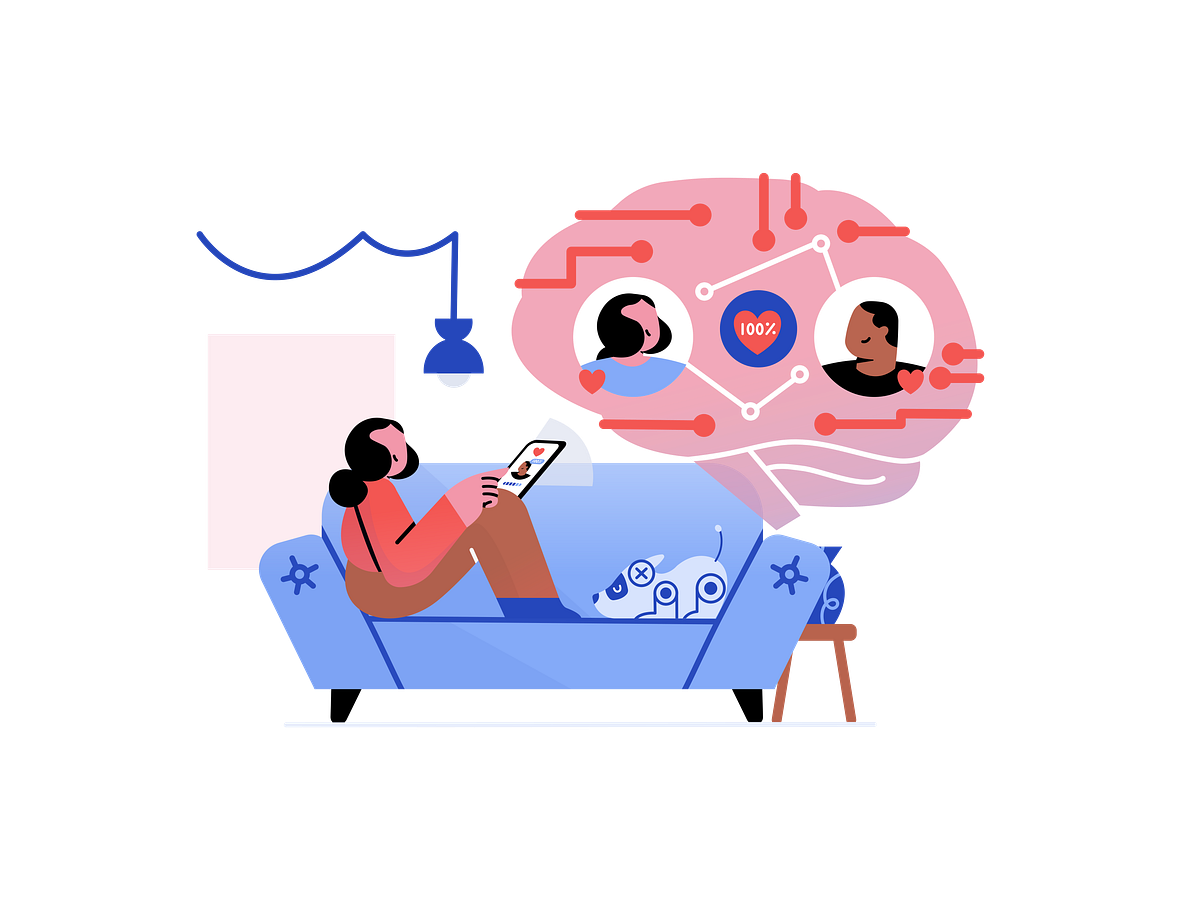
Would you swipe right on an AI profile? Can you distinguish an actual human from a machine? This is what this study reveals using AI-made-up people on dating apps.
Watch the video
A short read version
[
Would You Swipe Right on an AI Profile?
As we discussed in a previous post, it is now possible to train artificial intelligence (AI) to model beauty. Within a couple of years, the famous saying “Beauty is in the eye of the beholder” may…
](https://pub.towardsai.net/would-you-swipe-right-on-an-ai-profile-98dc8a4451ec)
Code used for the text generative model: https://colab.research.google.com/drive/1VLG8e7YSEwypxU-noRNhsv5dW4NfTGce#forceEdit=true&sandboxMode=true&scrollTo=aeXshJM-Cuaf
Paper #3:
Swin Transformer: Hierarchical Vision Transformer using Shifted Windows [3]
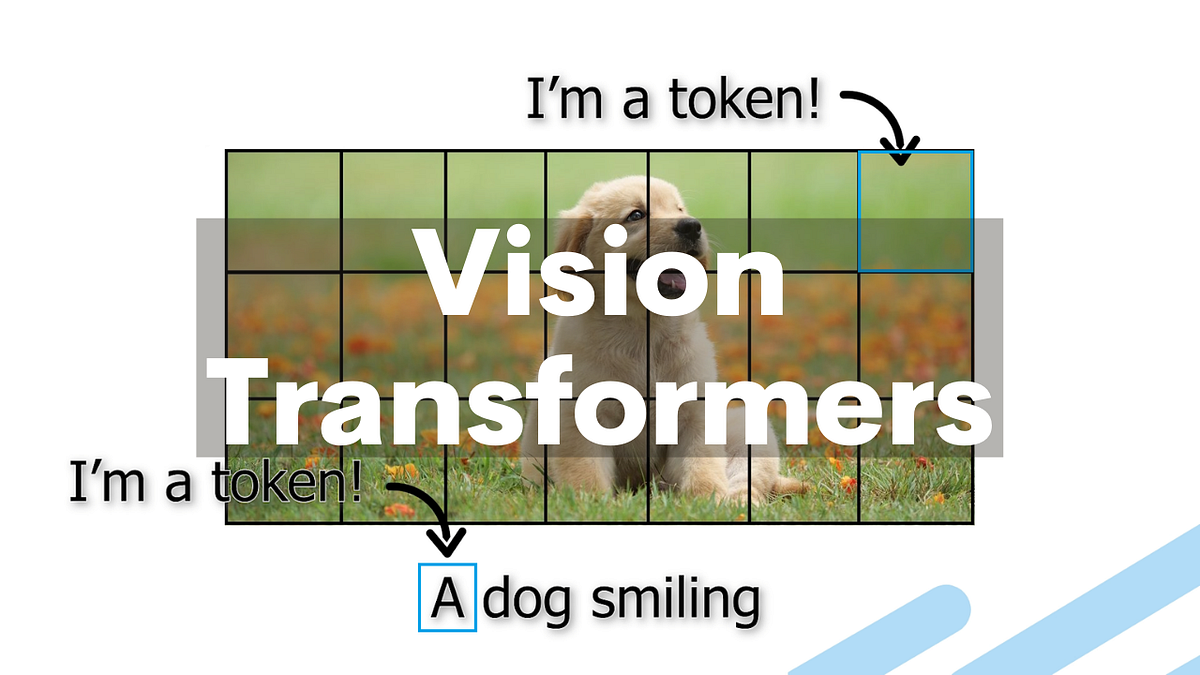
Will Transformers Replace CNNs in Computer Vision? In less than 5 minutes, you will know how the transformer architecture can be applied to computer vision with a new paper called the Swin Transformer.
Watch the video
A short read version
[
Will Transformers Replace CNNs in Computer Vision?
This article is about most probably the next generation of neural networks for all computer vision applications: The transformer architecture. You’ve certainly already heard about this architecture…
](https://pub.towardsai.net/will-transformers-replace-cnns-in-computer-vision-55657a196833)
Code: https://github.com/microsoft/Swin-Transformer
If you like my work and want to stay up-to-date with AI, you should definitely follow me on my other social media accounts (LinkedIn, Twitter) and subscribe to my weekly AI newsletter!
To support me:
- The best way to support me is by following me here on Medium or subscribe to my channel on YouTube if you like the video format.
- Support my work on Patreon
- Join our Discord community: Learn AI Together and share your projects, papers, best courses, find Kaggle teammates, and much more!
References
[1] M. Spape, K. Davis, L. Kangassalo, N. Ravaja, Z. Sovijarvi-Spape and T. Ruotsalo, “Brain-computer interface for generating personally attractive images,” in IEEE Transactions on Affective Computing, doi: 10.1109/TAFFC.2021.3059043.
[2] Sandra Bryant et al., “We Asked Artificial Intelligence to Create Dating Profiles. Would You Swipe Right?”, (2021), UNSW Sydney blog.
[3] Liu, Z. et al., 2021, “Swin Transformer: Hierarchical Vision Transformer using Shifted Windows”, arXiv preprint https://arxiv.org/abs/2103.14030v1
FAQ
What is included in the March 2021 AI paper roundup?
It selects three research papers and connects each one to a short explanation, demo, deeper article, code when available, and the paper reference.
How did the brain-computer interface study model attractiveness?
The researchers combined EEG signals with a generative model to explore which generated faces produced an attractiveness response for a particular participant.
What question did the AI dating-profile project explore?
It tested how people react to profiles created with AI and whether generated presentation changes the decision to swipe right.
Why was the Swin Transformer paper notable?
It introduced a hierarchical vision transformer built around shifted windows, offering a structured way to apply transformers across image scales.
How should I use a monthly research roundup?
Scan the three summaries first, then open the paper and code for the idea that is closest to your current work.