
The short version
Read research papers in passes, not line by line from the start. First choose papers tied to a concrete topic, then scan the title, abstract, figures, and conclusion before committing. On a deeper pass, separate the claim, method, experiments, and evidence. You do not need every equation immediately. Take notes and connect each paper to a real question or project.
- Reading AI papers is easier when you separate the claim, the method, the experiment, and the actual evidence.
- You do not need to understand every equation on the first pass. Start with the problem, result, assumptions, and limitations.
- The useful habit is to read actively: write notes, check the figures, inspect the experiments, and connect the paper to one project or question.
Two years ago, I saw my first research paper ever. I remember how old it looked and how discouraging the mathematics inside was. It really did look like what the researchers worked on in movies. To be fair, the paper was from the 1950s, but it hasn’t changed much since then. Fastforward to this day, I’ve gained a lot of experience reading them after reading a few hundred papers in the last year for my youtube channel, where I try to explain them simply. Still, I know how overwhelming a first read can be, especially the first read of your first research paper. This is why I felt like sharing my best tips and practical tools I use daily to simplify my life and be more efficient when looking for interesting research papers and reading them.
How to Find the Appropriate Papers for You?
Before reading a research paper, you must find one. So I will share some of the tools I use when looking for an interesting paper for my use case or for a video I am working on.
If you want to hear about the reading tips, go right to the next section!
First of all, you need a topic. Let’s say you want to study how transformers work applied to computer vision. Then, having this topic in mind, I would use arXiv search and type in “vision transformers” to collect a few papers. Suppose you have a specific task in mind, like “image matting,” which refers to removing the background of a picture and leaving only the object of interest as the foreground. In that case, you can directly use Papers With Code, which can be extremely useful, providing the current best papers for the task you want to solve with their code implementations. Again, I would select a few of the best papers for the task.
If you don’t have a topic in mind, start with Hugging Face Daily Papers and pick one paper that matches what you actually want to learn. It is a much better filter than trying to read everything.
I Have a Few Research Papers to Read, Now What?
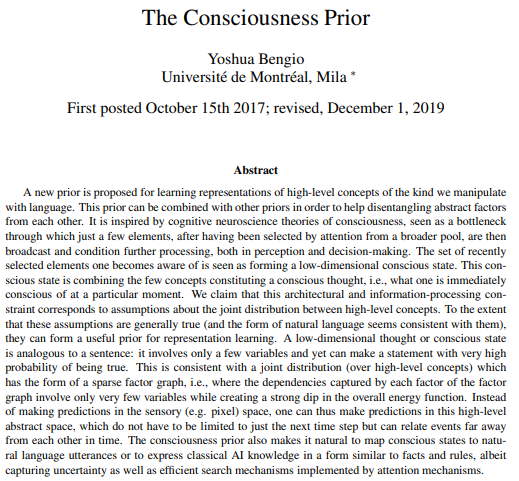
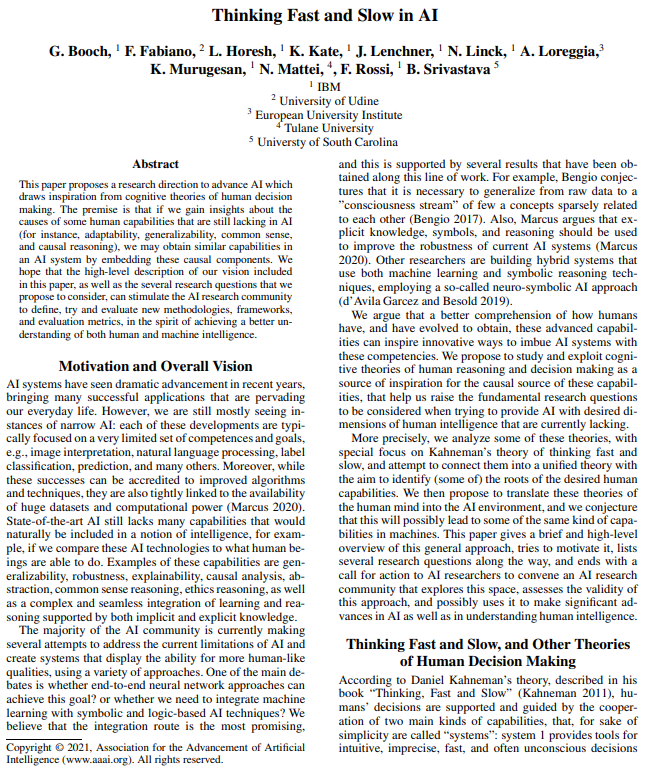
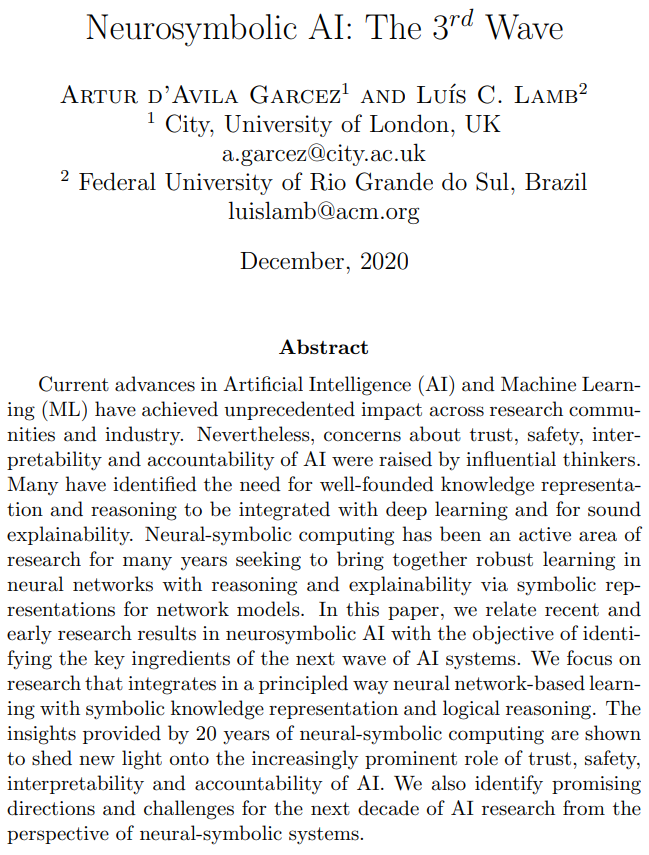
Some fascinating research papers I recently read, and I strongly recommend reading them.
Now that you have a few research papers on your reading list, please don’t read all of them one by one. Instead, I invite you to try my approach that could save you a lot of time.
First, I would check the references and confirm that the paper is worth reading or not. If there are just a few and impertinent citations, it is not a good sign. In the same way, a quick tip for helping to figure out if an article is worth reading or not is to visualize the citations. To do this, you can use a fantastic tool called Connected Papers that graphs the connections between all sources of your paper, only giving it the paper’s name. This is pretty cool! If they are inter-connected and well known, there is credibility. Of course, this is just a quick indication of whether or not a paper may be interesting and well made, as it indicates that it took the time to research current approaches and investigate them. But you should not judge a paper only by its number of citations since “nonreplicable publications are cited more than replicable ones,” and replicability is a clear measure of quality.
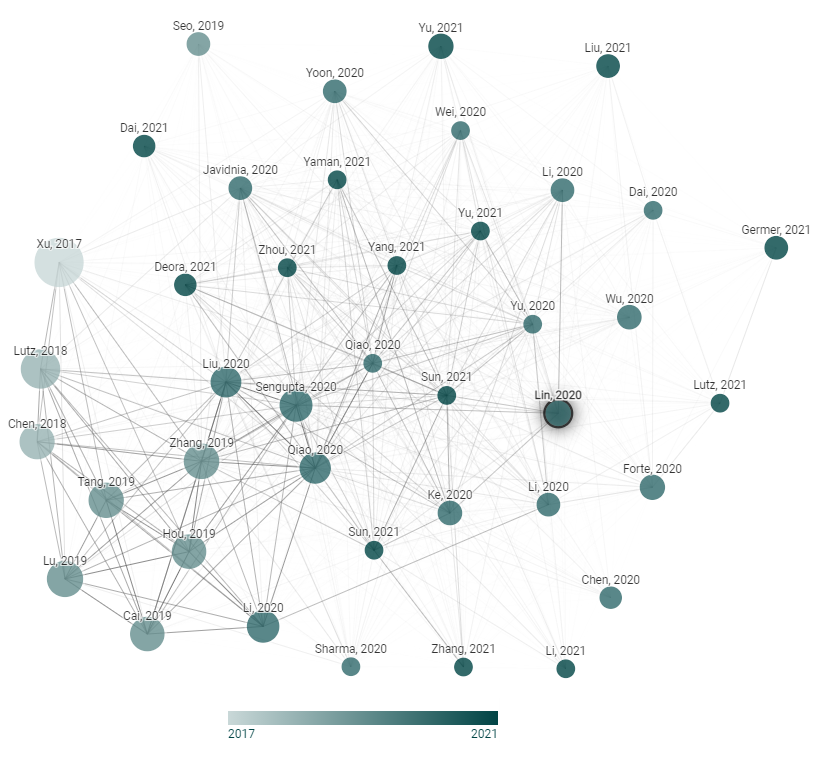
Connected Paper Graph of the CVPR2021 Best Student Paper Honorable Mentions “Real-Time High-Resolution Background Matting”
Once it passed the first test and has trusted citations, you make the first pass for all your papers: read the title, abstract, keywords, and conclusion. See if they are really about what you are looking for. It will give you a basic idea about the paper and will help you decide whether you want to keep on reading it or not.
Second, do another pass! This time, go a bit more in-depth. Look at the graphs and tables, read their captions. You can also quickly go through the introduction and related works to see if you find it interesting and well done, but don’t dive into the method and experiments right away. This takes time to digest and understand. You need to be sure it is the right paper for you. This second pass will help you get the crisp of the paper, and by then, you will already be able to summarize it and the results.
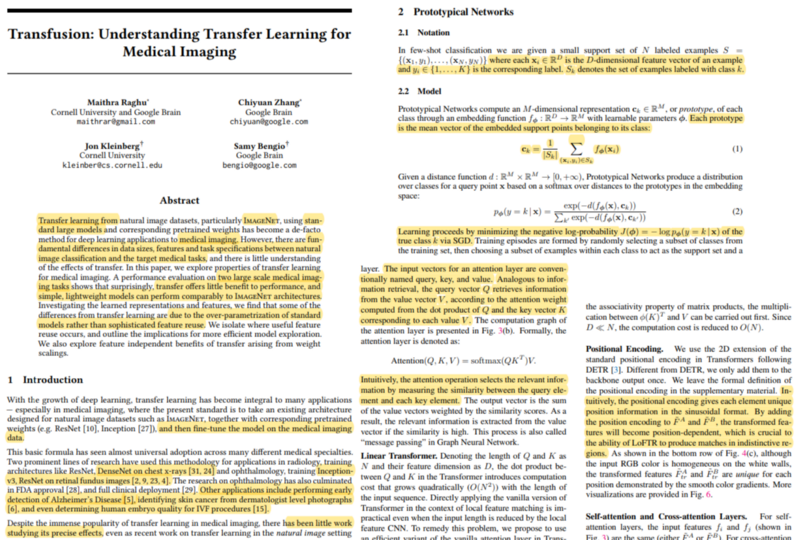
Now that you know this is the paper for you, the list must be narrowed down. The only thing left is to read the papers that made it to this third pass! This third pass is quite obvious: you read the paper. But do not just read it. Dive in it. Take your pencil, highlighter, or annotation tool and start reading it in silence. For this, I personally prefer to print them directly and annotate on the actual paper itself, but I am transitioning to staying on my computer screen using the PDF reader tool Adobe Acrobat Reader where you can both highlight, draw, and comment on the PDF. I used this tool by default, and I like it, but please let me know if you know a better tool for this use case! I will check it out, try it, and edit my article to add better tools.

You should also surely Google the words and concepts you don’t understand and check the citations when the authors refer to someone else’s implementation. Skipping these will hurt your understanding of the overall paper during this final read, which you may have to repeat to completely sink in the information, especially if you are a “beginner paper-reader,” note your questions and highlight anything that seems a bit complicated or unclear. You can google the questions right away, but do not stay stuck if they remain after a second read! Ask a friend, or if you don’t have any friends in the field to help you, ask in a community or forum! There are dozen of amazing communities where you can ask questions 24/7 and get an answer, that it be on Discord, Reddit, Linkedin, Facebook, Slack, etc. Join one or more and exchange with fellow researchers!
Now that you know how I personally find and read research papers after months of improving this process, you may want to keep on reading for a few more minutes as I will share the tools that changed my life as an AI researcher…
The Best Tools Any Data Scientists / AI Researcher Should Have
I already talked about useful search tools such as Arxiv Sanity Preserver and Papers With Code, but those are not enough for understanding a paper. Many people also explain research papers in YouTube videos. Creators such as Yannic Kilcher, What’s AI, and Letitia dive into new papers and explain them clearly. For a rapid overview without all the theory, Two Minute Papers also does a great job. This can save you a lot of time and questions, which is why I often watch one explanation before reading the paper. For example, start with the Swin Transformer paper, find a walkthrough, and then return to the parts of the paper that matter for your work.
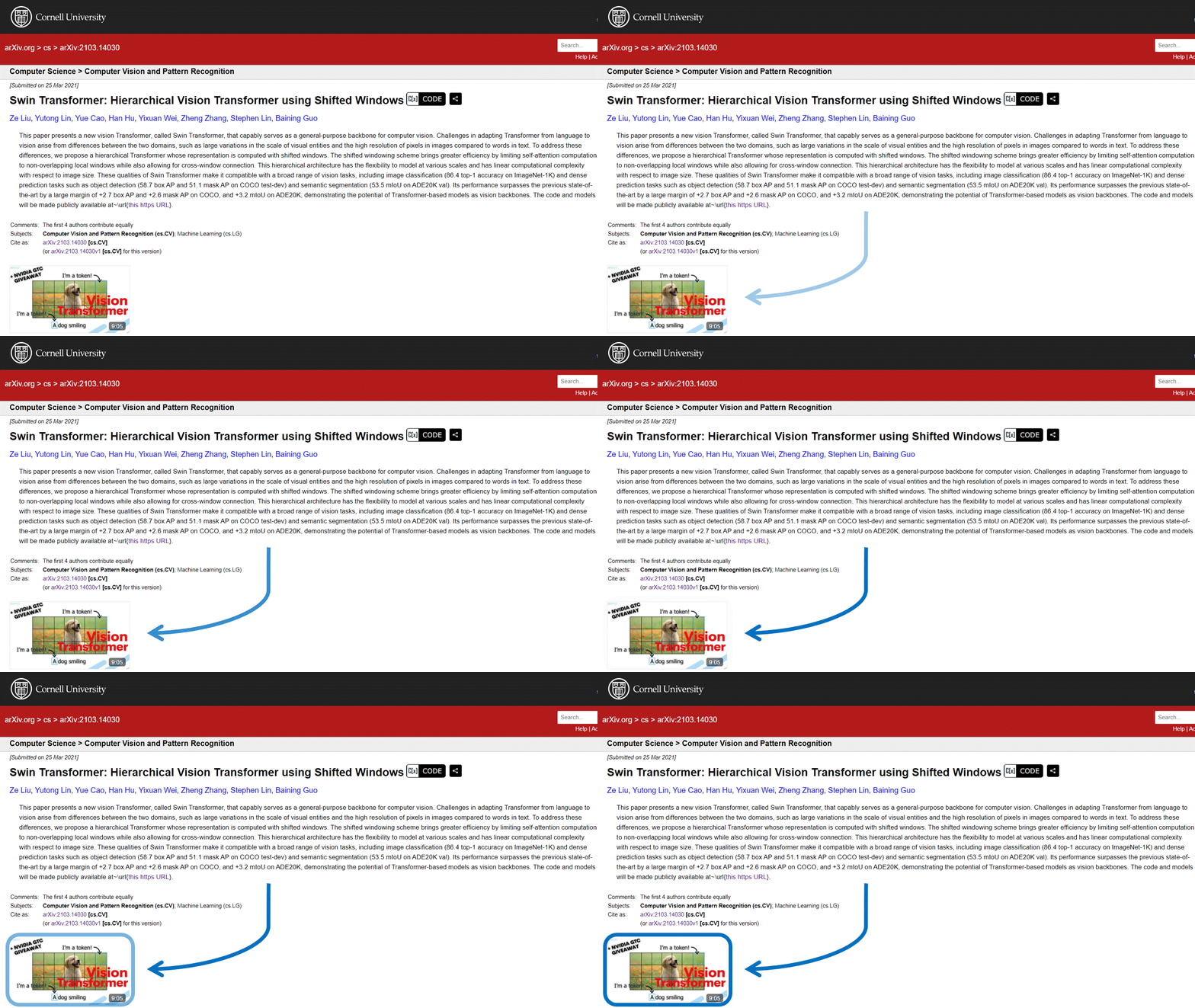
The Swin Transformer paper by Microsoft Research.
Video explanations also helped me discover great YouTube channels and made dense papers easier to understand. That became one of my most useful research habits.
Similarly, using Medium is a great way to find paper summaries and great explanations, either on Towards AI or Towards Data Science publications. I also share my own articles there and I love the platform. You can subscribe to medium using my affiliated link here if you’d like to support me at the same time!
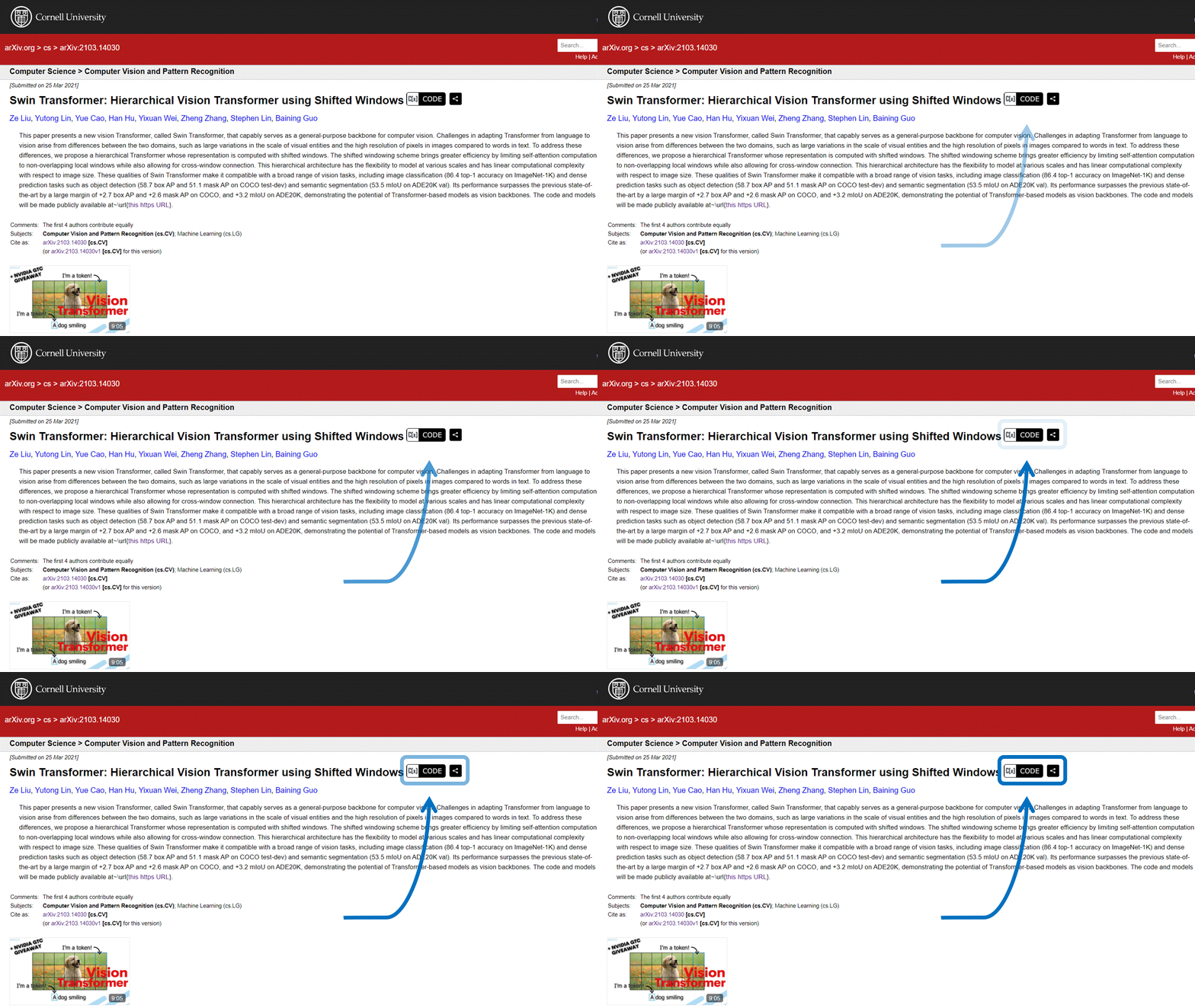
CatalyzeX use-case example on the Swin Transformer paper by Microsoft Research
Here were all my best tips and tools for finding the most appropriate research papers for you, reading them as efficiently as possible while retaining the most information possible. To me, repetition is surely the best way to learn, which is why I recommended reading the papers more than once if you really want to understand them. Repetition from different learning sources is also an incredible advantage when it comes to learning something new. In our case, we can easily profit from this with YouTube. Indeed, you can simply listen to someone explain the paper to you for free, giving your brain other sensorial queues to sink in even more information. This is an incredible advantage this field has, and you must exploit it!
Once you found an interesting paper, I strongly recommend you save it in a reference management software like Zotero. It is entirely free and allows you to organize your papers, easily export references, save PDFs, and more with a simple click. It is a handy tool already implemented in Word and Google Docs to generate your bibliographies automatically.
A Few Words on Bias and Trustworthiness
There are no tips to detecting how trustworthy a paper is other than carefully reading and analyze the experiment section and see if it fits the methodology. You should never take what the authors wrote for free as, even if they were sincere, something might have changed since then, or they may have made a mistake during the experiments or when concluding based on their results. Similarly, you should not blindly trust the experiment section. You should also double-check the plots and tables to see if the scalings are the same, to be sure the authors didn’t try to eye trick the reader to make us misleadingly feel like they are better by a clear margin. As you know, the conclusion is simply what the authors concluded from their results. This means that even if it’s a great and quick way to understand what the paper is about, the conclusion is also subject to errors and author bias. It also means that you could’ve come to a different conclusion from the same experiments and results.
Conclusion
In final words, the only way to get better at reading papers and more efficient is to read papers. Don’t be afraid and dive in! The more you read, the better you will become. Start with videos about research papers and then dive into them with a fresh explanation in mind. It will be much easier.
Thank you for reading! Let me know if you have any more tips I may have missed that I could benefit from, always keen to learn!
— Louis
Come chat with us in our Discord community: Learn AI Together and share your projects, papers, best courses, find Kaggle teammates, and much more!
If you like my work and want to stay up-to-date with AI, you should definitely follow me on my other social media accounts (LinkedIn, Twitter) and subscribe to my weekly AI newsletter!
To support me:
- The best way to support me is by being a member of this website or subscribe to my channel on YouTube if you like the video format.
- Support my work financially on Patreon
References
- Hugging Face Daily Papers — Find current papers and discussions
- Arxiv Sanity Preserver — A Curation list of Arxiv papers
- Papers With Code — Find papers for your task with code!
- CatalyzeX — Code implementation for most Arxiv papers
- Connected Papers — Create a visual graph with your paper’s citations’ relations.
- Zotero – Reference management software
- Yannic Kilcher — Great youtube channel covering AI papers
- What’s AI — Great youtube channel covering AI papers
- Letitia — Great youtube channel covering AI papers
- Two Minute Papers — Great youtube channel giving a quick overview of AI papers
FAQ
How should beginners read AI research papers?
Start with the abstract, figures, introduction, and conclusion, then read the method and experiments once you know what the paper is claiming.
What should you look for in an AI paper?
Look for the problem, the proposed method, what changed from prior work, the experiments, the baselines, the limitations, and the real takeaway.
Do you need to understand every formula?
No. It helps over time, but the first pass should focus on the idea, assumptions, evidence, and where the method might fail.
How can you tell if a paper is trustworthy?
Check the experimental setup, baselines, ablations, dataset choices, evaluation metrics, missing limitations, and whether the claim is bigger than the evidence.
How do you remember more from papers?
Write a short note after each paper: the problem, the core idea, what worked, what failed, and where you might use it.
Where can you find research papers with code implementations?
Papers With Code organizes work by task and often links papers, benchmarks, and implementations, which makes it a practical starting point.