
The short version
The February 2021 roundup highlighted a vision system for detecting floating marine litter in aerial images, ShaRF for estimating a shape-conditioned radiance field from one object view, and GANsformers for transformer-assisted scene generation. It records early work in environmental monitoring, 3D reconstruction, and generative modeling. Check the linked publications and code before drawing conclusions beyond their reported experiments.
Here are the 3 most interesting research papers of the month, in case you missed any of them. It is a curated list of the latest breakthroughs in AI and Data Science by release date with a clear video explanation, link to a more in-depth article, and code (if applicable). Enjoy the read, and let me know if I missed any important papers in the comments, or by contacting me directly on LinkedIn!
Paper #1:
An AI Software Able To Detect and Count Plastic Waste in the Ocean [1]
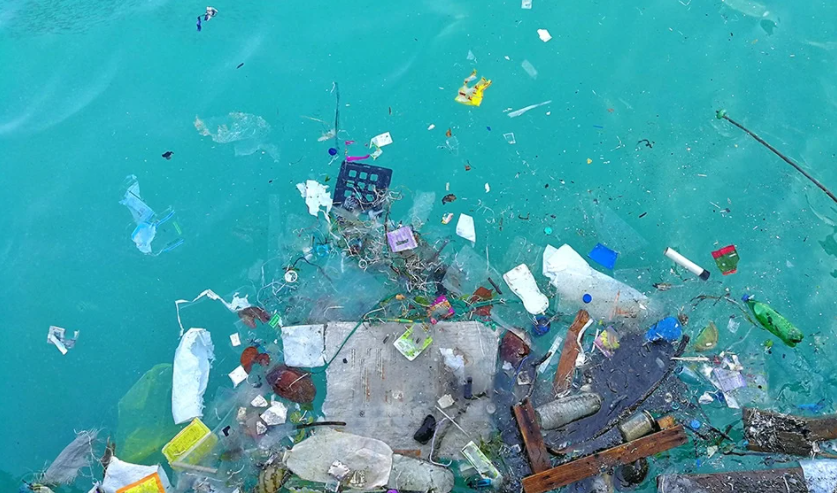
Odei Garcia-Garin et al. from the University of Barcelona have developed a deep learning-based algorithm able to detect and quantify floating garbage from aerial images. They also made a web-oriented application allowing users to identify these garbages, called floating marine macro-litter, or FMML, within images of the sea surface.
Watch the video
A short read version
[
An AI Software Able To Detect and Count Plastic Waste in the Ocean
Odei Garcia-Garin et al. from the University of Barcelona have developed a deep learning-based algorithm able to detect and quantify floating garbage from aerial images. They also made a web-oriented…
Code & web app: https://github.com/amonleong/MARLIT

Paper #2:
ShaRF: Take a Picture From a Real-Life Object, and Create a 3D Model of It [2]
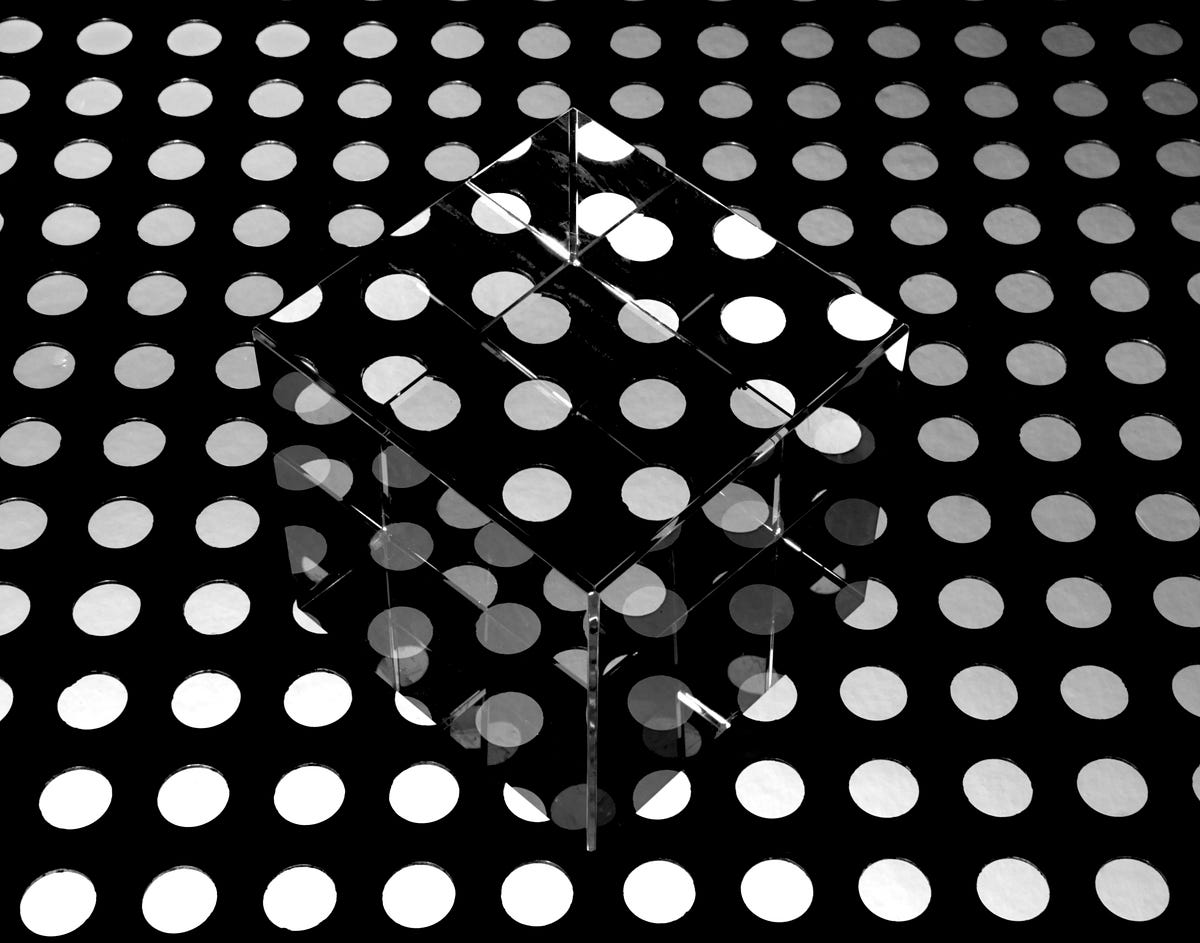
Just imagine how cool it would be to just take a picture of an object and have it in 3D to insert in the movie or video game you are creating or in a 3D scene for an illustration.
Watch the video
A short read version
[
ShaRF: Take a Picture From a Real-Life Object, and Create a 3D Model of It
Neural scene representation from a single image is a really complex problem. The “end goal” is to be able to take a picture from a real-life object, and translate this picture into a 3D scene. It…
Paper and project details for ShaRF: https://proceedings.mlr.press/v139/rematas21a.html
Paper #3:
GANsformers: Scene Generation with Generative Adversarial Transformers [3]
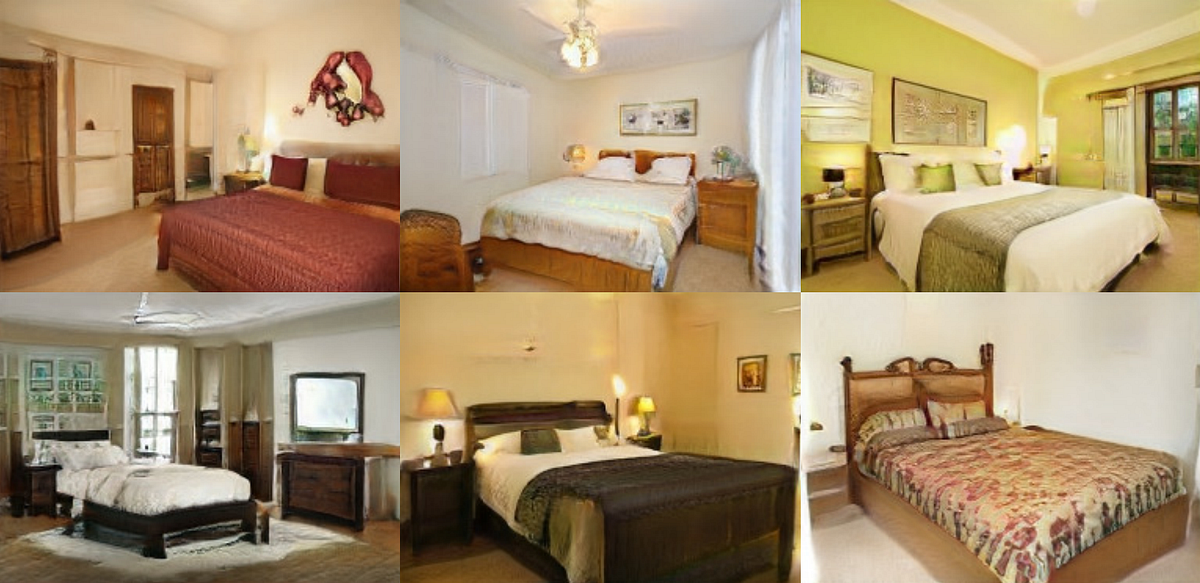
They basically leverage transformers’ attention mechanism in the powerful StyleGAN2 architecture to make it even more powerful!
Watch the video
A short read version
[
Generative Adversarial Transformers: GANsformers Explained
Last week we looked at DALL-E, OpenAI’s most recent paper.It uses a similar architecture as GPT-3 involving transformers to generate an image from text. This is a super interesting and complex task…
](https://whats-ai.medium.com/generative-adversarial-transformers-gansformers-explained-bf1fa76ef58d)
Code: https://github.com/dorarad/gansformer
More from me:
- The best way to support me is by following me on Medium.
- Subscribe to my YouTube channel.
- Follow my projects on LinkedIn.
- Learn AI together, join our Discord community, share your projects, papers, best courses, find Kaggle teammates, and much more!
- Subscribe to my newsletter!
References
[1] Odei Garcia-Garin et al., Automatic detection and quantification of floating marine macro-litter in aerial images: Introducing a novel deep learning approach connected to a web application in R, Environmental Pollution, https://doi.org/10.1016/j.envpol.2021.116490.
[2] Rematas, K., Martin-Brualla, R., and Ferrari, V., “ShaRF: Shape-conditioned Radiance Fields from a Single View”, (2021), https://arxiv.org/abs/2102.08860
[3] Drew A. Hudson and C. Lawrence Zitnick, Generative Adversarial Transformers, (2021)
FAQ
Which papers appear in the February 2021 roundup?
The selections cover marine-litter detection, ShaRF single-image 3D reconstruction, and transformer-assisted GAN scene generation.
How can AI help monitor ocean plastic?
A vision model can detect and count floating macro-litter in aerial images of the sea surface.
What does ShaRF reconstruct?
ShaRF estimates a 3D shape-conditioned radiance field from a single view of an object.
What do GANsformers add to scene generation?
They combine adversarial generation with transformer interactions intended to model relationships among scene components.
What supporting resources are included?
Each pick links to a short explanation, demo, code when available, and the paper itself.