The short version
January 2021’s roundup featured the first DALL-E release, VOGUE for StyleGAN-based virtual try-on, and Taming Transformers for high-resolution image synthesis. The useful value today is historical: it shows how text-to-image generation, controlled fashion transfer, and transformer-convolution hybrids were presented then. Current systems have changed substantially, so use the original project pages to study the ideas, not the old performance framing.
Here are the 3 most interesting research papers of the month, in case you missed any of them. It is a curated list of the latest breakthroughs in AI and Data Science by release date with a clear video explanation, link to a more in-depth article, and code (if applicable). Enjoy the read, and let me know if I missed any important papers in the comments, or by contacting me directly on LinkedIn!
Paper #1:
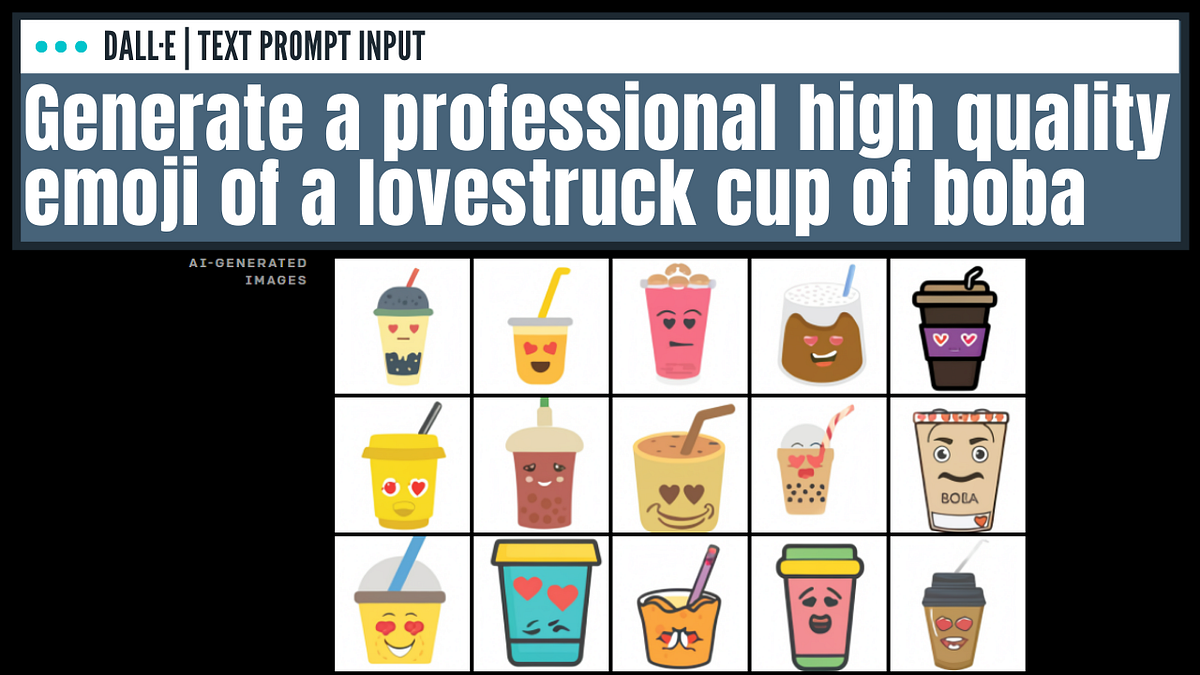
DALL·E: Generate Images from Text Captions! Inspired by GPT-3 and Image-GPT from OpenAI [1]
OpenAI successfully trained a network able to generate images from text captions. It is very similar to GPT-3 and Image GPT and produces amazing results.
[
DALL·E: Generate Images from Text Captions! Inspired by GPT-3 and Image-GPT from OpenAI
DALL-E is a new neural network developed by OpenAI based on GPT-3.In fact, it’s a smaller version of GPT-3 using 12-billion parameters instead of 175 billion. But it has been specifically trained to…
Paper #2:
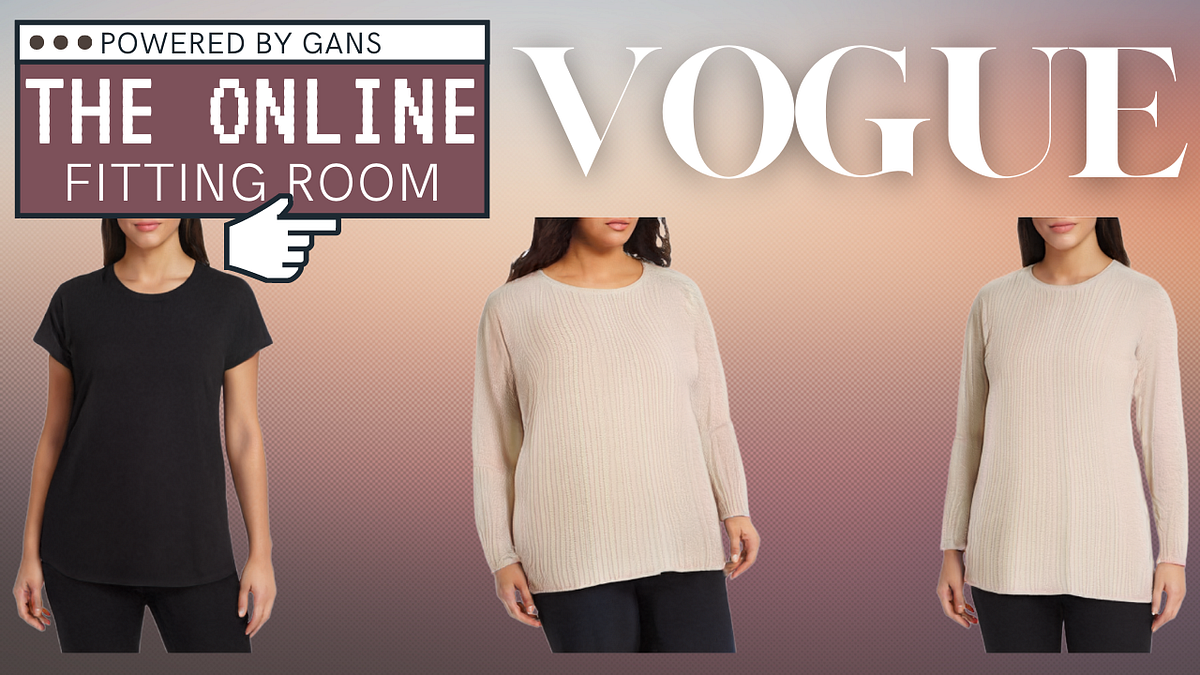
The AI-Powered Online Fitting Room: VOGUE [2]
Google used a modified StyleGAN2 architecture to create an online fitting room where you can automatically try-on any pants or shirts you want using only an image of yourself.
[
The AI-Powered Online Fitting Room: VOGUE
A team of researchers from Google, MIT, and the University of Washington recently published a paper called “VOGUE: Try-On by StyleGAN Interpolation Optimization”. They use a GAN architecture to…
Paper #3:
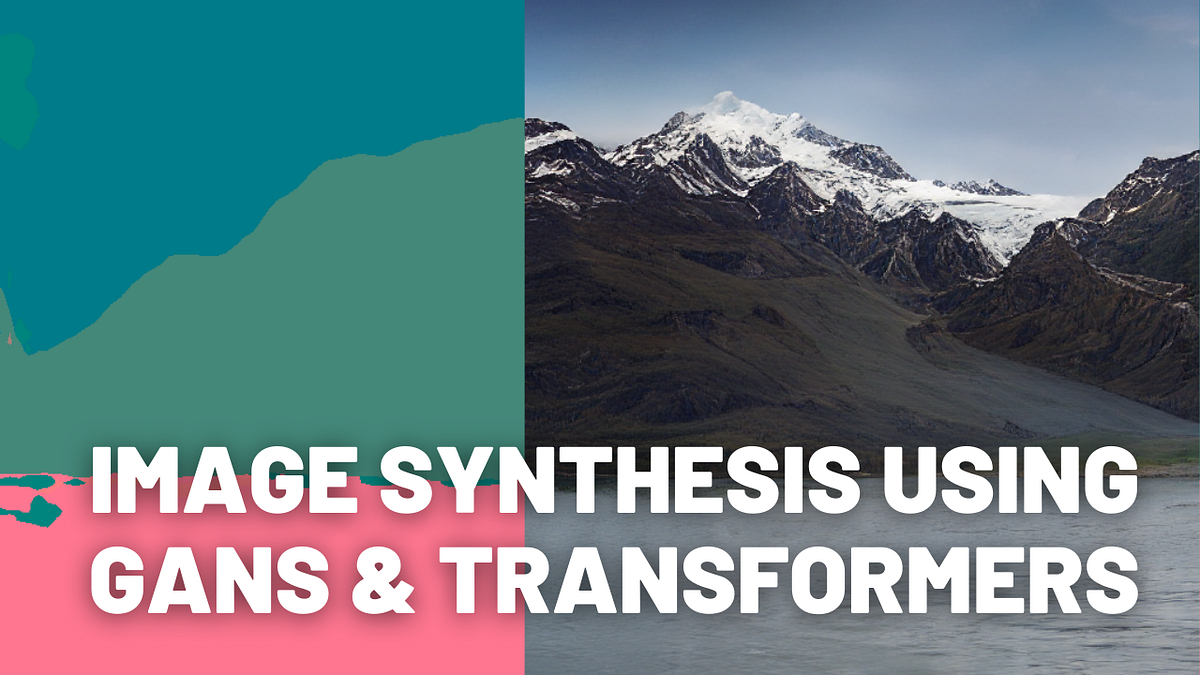
Combining the Transformers Expressivity with the CNNs Efficiency for High-Resolution Image Synthesis [3]
Tl;DR: They combined the efficiency of GANs and convolutional approaches with the expressivity of transformers to produce a powerful and time-efficient method for semantically-guided high-quality image synthesis.
[
Combining the Transformers Expressivity with the CNNs Efficiency for High-Resolution Image…
You’ve probably heard of iGPT, or Image-GPT recently published by OpenAI that I covered on my channel. It is the state-of-the-art generative transformer model. OpenAI used the transformer…
Code: https://github.com/CompVis/taming-transformers
More from me:
- The best way to support me is by following me on Medium.
- Subscribe to my YouTube channel.
- Follow my projects on LinkedIn.
- Learn AI together, join our Discord community, share your projects, papers, best courses, find Kaggle teammates, and much more!
- Subscribe to my newsletter!
References
[1] Aditya RameshMikhail PavlovGabriel GohScott Gray, OpenAI, Dall·E (2021).
[2] Lewis, Kathleen M et al., (2021), VOGUE: Try-On by StyleGAN Interpolation Optimization.
[3] Taming Transformers for High-Resolution Image Synthesis, Esser et al., 2020.
FAQ
Which papers defined the January 2021 roundup?
The list features DALL-E, VOGUE virtual try-on, and transformer-based high-resolution image synthesis.
What did DALL-E demonstrate?
It showed that a GPT-style model could generate novel images conditioned on natural-language captions.
What problem did VOGUE address?
VOGUE explored transferring clothing style onto a generated person for virtual try-on.
Why combine transformers with convolutional networks?
Transformers capture broad relationships while convolutions provide efficient local processing for high-resolution images.
How should readers compare these early systems with current models?
Use the papers to understand the ideas, while recognizing that later systems changed scale, data, quality, and controls.